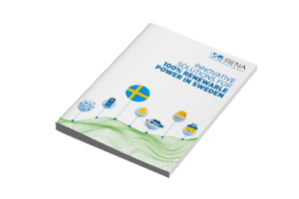
This report examines how Sweden can achieve its target of 100% renewable power by 2040 while maintaining reliability, affordability, and system stability. It identifies policy, regulatory, and operational challenges linked to higher shares of variable renewable energy and proposes four systemic solutions centered on ancillary services, regional market integration, distributed energy resources, and electrification of end-use sectors.
This report examines the transformation of Bangladesh’s power sector through the interconnected lenses of geopolitics, poverty reduction, and climate change. It reviews the country’s rapid electricity demand growth, governance and affordability challenges, environmental vulnerability, and financing pressures, while evaluating strategic options for a cleaner, more resilient, and more financially sustainable electricity system.

Short Summary: This report examines how artificial intelligence is becoming a foundational technology across sustainability-related sectors. It explores AI’s growing role in water management, energy forecasting and smart grids, waste sorting and collection, and the development of smarter, safer, and more efficient cities, while emphasizing both the economic and environmental value of its adoption.
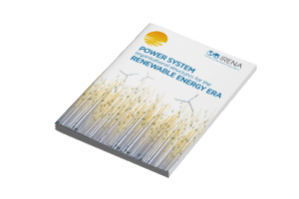
This report examines how existing power system structures are misaligned with the needs of a renewable-based energy system. It analyzes wholesale pricing, electricity valuation, retail tariffs, and distributed energy integration, and proposes structural changes to support flexibility, fairness, and long-term system efficiency.
Partner content

This report reviews the state of the solar industry across the Middle East and North Africa, focusing on market growth, falling costs, project pipelines, storage, green hydrogen, and country-level solar development. It presents solar as an increasingly competitive and resilient technology despite the disruptions caused by COVID-19 and lower oil prices, while highlighting the policy, financial, and technical conditions shaping the region’s next phase of solar expansion.
Partner content

This report examines the expanding role of artificial intelligence across major infrastructure and sustainability sectors, including energy, water, waste management, smart cities, and climate and environment. It presents AI as a foundational enabler of digital transformation, operational efficiency, predictive decision-making, and large-scale system optimization, with particular relevance for the GCC and wider MENA region.
This report examines how global water sector trends are influencing the GCC market, with a particular focus on digital transformation, non-revenue water reduction, operational efficiency, and wastewater reuse. It highlights the region’s infrastructure challenges, policy drivers, and technology opportunities across smart metering, analytics, sensors, leak detection, and water recycling systems.
This report outlines the major trends shaping clean energy globally and across the GCC, focusing on decentralization, decarbonization, and digitalization. It examines the growth of renewables in the region, the rise of distributed energy models, and the commercial opportunities emerging across storage, digital grids, hybrid systems, and related low-carbon technologies.

This report outlines the major trends shaping clean energy globally and across the GCC, focusing on decentralization, decarbonization, and digitalization. It examines the growth of renewables in the region, the rise of distributed energy models, and the commercial opportunities emerging across storage, digital grids, hybrid systems, and related low-carbon technologies.
This report analyzes the growing water security challenges in the Middle East and outlines key opportunities across desalination, wastewater treatment, and digital water management. It highlights climate-driven risks, infrastructure gaps, and investment priorities shaping the region’s transition toward resilient and sustainable water systems.