As the world scrambles to reach net-zero emissions by 2050, hydrogen has emerged as a potential silver bullet to help mitigate climate change. Hydrogen has been in consideration as a potential aid to decarbonization for over 50 years. However, it is only now that it has gained traction in government strategies, business plans, and the media. But what makes the attention given to hydrogen in the 2020s different from the 1970s? This article relates to SDGs 7 and 13.
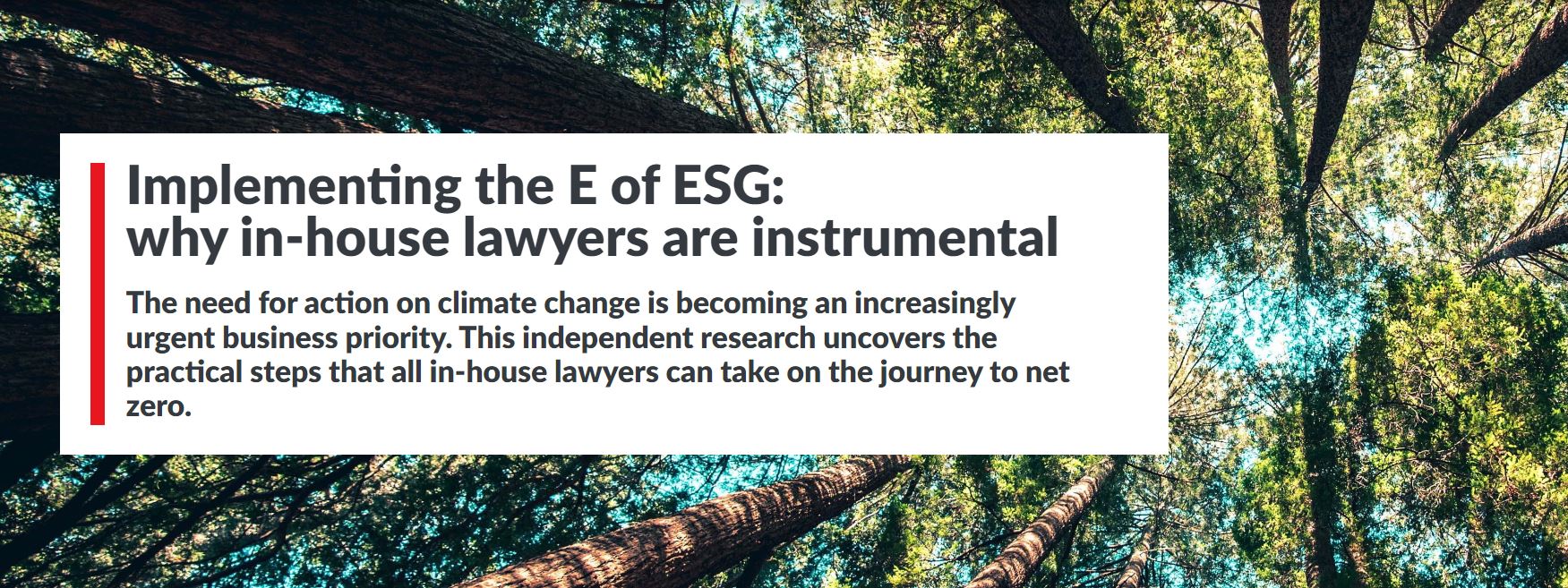
Climate change is no longer just an issue for ESG specialists - it affects everyone. In today's world, the legal community has a crucial role to play in driving the climate change agenda forward. This article is based on ten interviews with over 10 influential General and Legal Counsels to understand the crucial role that legal teams can play in driving the environmental agenda forward, and is related to SDGs 13 and 16.
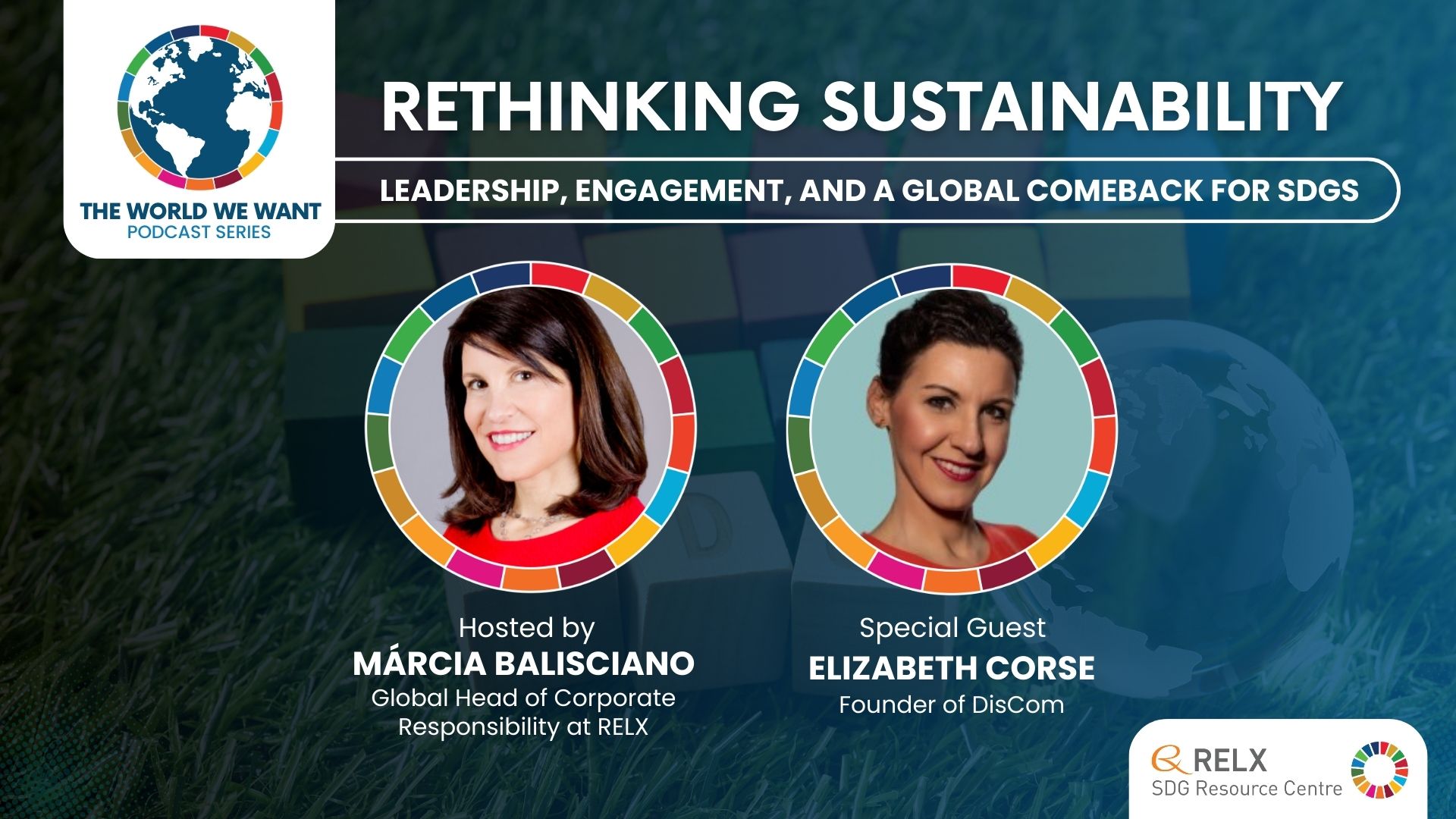

Join us at RELX SDG Inspiration Day 2023: Not too late for nature – Biodiversity and the UN Sustainable Development Goals. Inspirational speakers include Dr. Jane Goodall and Ban Ki-moon along with many more global leaders from across RELX and beyond. The free, virtual event will explore topics such as Law and Biodiversity and Health Dimensions of Biodiversity. Register and you can dip in and out during the day - or stay all day.

Sustainable Development Goals (SDG) can help with global water sustainability for World Water Day 2026.
As World Water Day 2026 approaches, it is important to think about how important water is and how the Sustainable Development Goals (SDGs) can help solve the world's water problem. This day, which is celebrated every year on March 22, brings attention to how important water is and how it affects our health, the world, and our way of life.
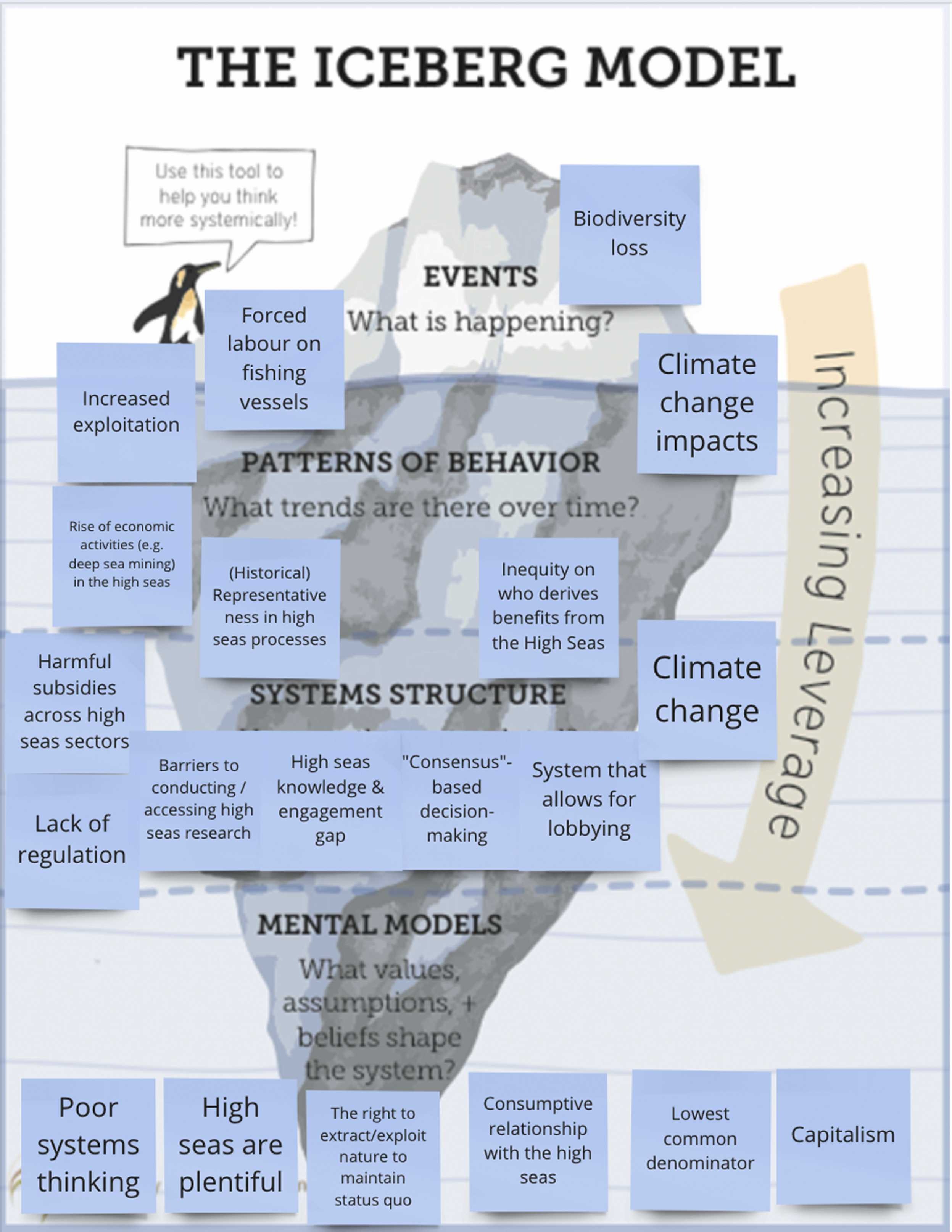
Marine Policy, Volume 153, 2023, 105644, ISSN 0308-597X
We are at a critical crossroads for the future governance of the high seas. We used the Nature Futures Framework to explore desirable futures for the high seas. Creative endeavours of co-production encourage imagination to address challenges. Participatory processes are important tools in the science-policy interface. Stories and art can be powerful ways to overcome barriers.