International Day of Zero Waste 2026
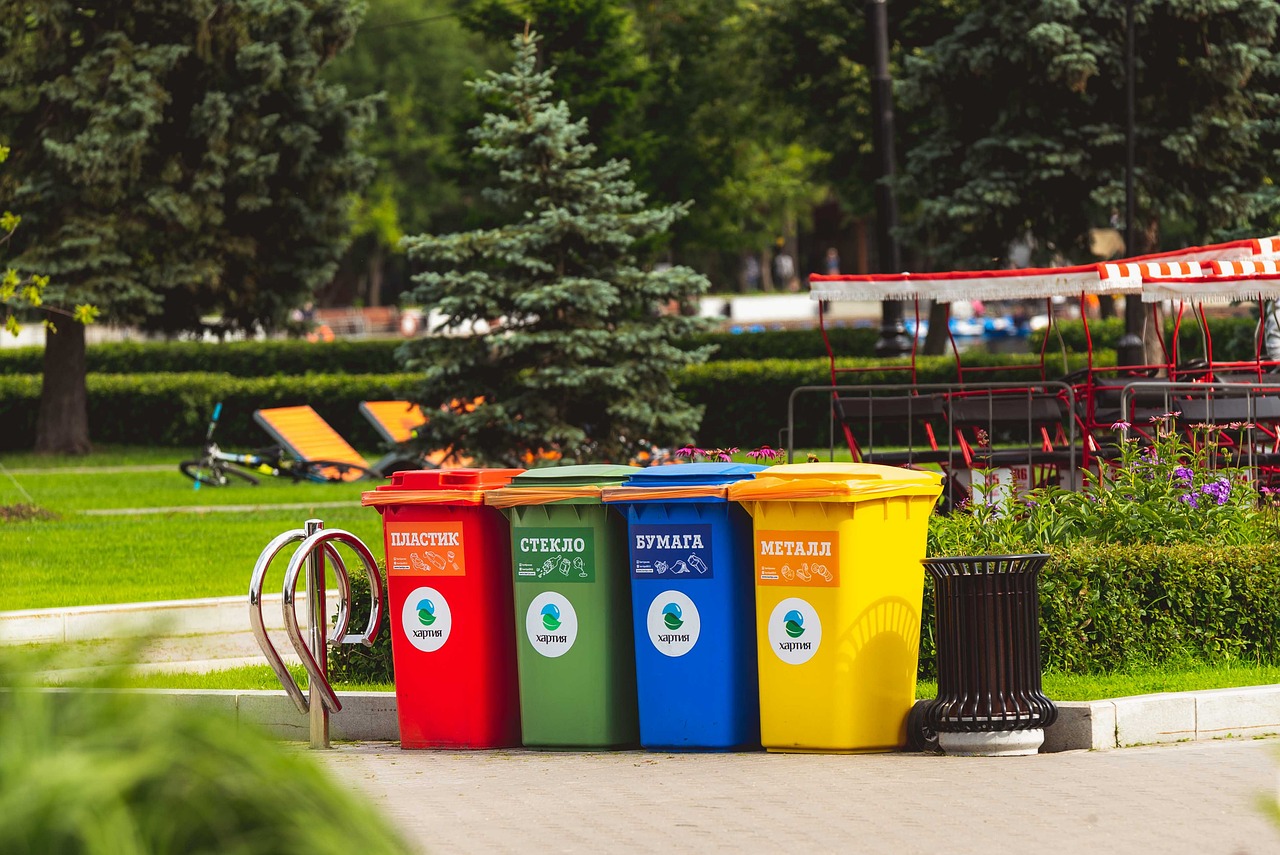
International Day of Zero Waste 2026: Tackling Waste for a Sustainable Future
Observed annually on March 30, the International Day of Zero Waste promotes global efforts to address the waste crisis and advance sustainable production and consumption practices. Established by the United Nations General Assembly in 2022, this observance highlights solutions for resource recovery, reducing pollution, and protecting both human and environmental health.
Addressing the Waste Crisis
Every year, between 2.1 and 2.3 billion tons of municipal solid waste are generated worldwide, ranging from plastics and food to electronics. However, billions of people lack access to proper waste collection services, leading to severe pollution and environmental degradation.
Efforts to achieve zero-waste societies focus on treating waste as a resource, reducing waste generation, and promoting reuse and recycling. Products must be designed to be more durable and efficient to minimize environmental impact.
Background
On December 14, 2022, the United Nations General Assembly proclaimed March 30 as the International Day of Zero Waste. Türkiye led the resolution, supported by over 100 countries. The observance complements previous initiatives like the global push to end plastic pollution, highlighting the role of sustainable waste management in achieving the 2030 Agenda for Sustainable Development.
The United Nations Environment Programme (UNEP) and the United Nations Human Settlements Programme (UN-Habitat) facilitate activities to advance global zero-waste efforts.
Taking Action
To achieve zero-waste societies, all stakeholders must collaborate. Individuals can reduce consumption, repair, and recycle products, while governments and industries must drive financing, policy reforms, and infrastructure improvements.
Did You Know?
Humanity produces 430 million tons of plastic annually.
Without urgent action, annual municipal solid waste could reach 3.8 billion tons by 2050.
Solid waste generated in one year could circle the Earth 25 times if packed end to end.
Join the Global Effort
Take part in the International Day of Zero Waste by promoting zero-waste initiatives in your community. Share your actions on social media using #ZeroWasteDay and #BeatWastePollution. Together, we can reduce waste, protect resources, and build a more sustainable world.
♻️ International Day of Zero Waste Themes (2020–2026)
| Year | Theme | Description |
|---|---|---|
| 2020 | Zero Waste in the Fashion and Textile Sector | Highlighted the environmental impact of fashion and promoted sustainable, circular approaches in textiles. |
| 2021 | Towards Zero Waste in Fashion and Textiles | Focused on reducing textile waste and advancing circular solutions in the fashion industry. |
| 2022 | No Specific Theme | The UNGA adopted the resolution to observe March 30 as the official International Day of Zero Waste. |
| 2023 | Achieving Sustainable and Environmentally Sound Waste Practices | Promoted responsible waste management and lifecycle-based consumption practices. |
| 2024 | Towards a Circular Future | Encouraged a transition to a circular economy to minimize waste and conserve global resources. |
| 2025 | Towards Zero Waste in Fashion and Textiles | Addressed overproduction and pollution in fashion, calling for sustainable, circular business models. |
| 2026 | Food Waste | The 2026 observance focuses on the environmental and social impacts of food loss and waste, following the previous year’s spotlight on fashion and textiles. |
Connection to the Sustainable Development Goals
International Day of Zero Waste 2026 is linked to several United Nations Sustainable Development Goals through its documented focus on sustainable consumption, waste reduction, and environmental protection.
SDG 11: Sustainable Cities and Communities – The observance supports improved waste management systems that reduce pollution, enhance urban resilience, and protect public health.
SDG 12: Responsible Consumption and Production – International Day of Zero Waste promotes waste prevention, reuse, recycling, and sustainable product design to reduce resource depletion.
SDG 13: Climate Action – Reducing waste generation and improving waste treatment lowers greenhouse gas emissions associated with landfills and incineration.
How the Event Is Observed
International Day of Zero Waste 2026 is observed through policy discussions, public awareness campaigns, research publications, and educational initiatives led by governments, international organizations, academic institutions, and civil society groups. Activities vary by country and focus on local waste challenges and solutions.
The United Nations Environment Programme (UNEP) and the United Nations Human Settlements Programme (UN-Habitat) support global information-sharing and coordination related to zero-waste practices.
Key Facts at a Glance
Date: 30 March 2026
Established by: United Nations General Assembly
UN Resolution: A/RES/77/161 (2022)
First observed: 2023
Global scope: International
Primary focus: Waste reduction, resource recovery, and sustainable consumption
Frequently Asked Questions – International Day of Zero Waste 2026
What is International Day of Zero Waste 2026?
International Day of Zero Waste 2026 is a United Nations–recognized international observance held annually on 30 March. It highlights the global waste crisis and promotes sustainable waste management and consumption practices. The day serves as a reference point for international dialogue on waste reduction.
Why is International Day of Zero Waste observed on 30 March?
International Day of Zero Waste is observed on 30 March as designated by the United Nations General Assembly. The date provides an annual opportunity to focus on waste prevention and sustainable resource use within the global calendar.
Who established International Day of Zero Waste?
International Day of Zero Waste was established by the United Nations General Assembly in December 2022. The resolution was led by Türkiye and supported by more than 100 Member States. The observance is facilitated by UNEP and UN-Habitat.
How does International Day of Zero Waste relate to the Sustainable Development Goals?
The observance directly supports SDG 12 by promoting responsible consumption and production. It also contributes to SDG 11 through improved urban waste management and SDG 13 by reducing emissions linked to waste disposal.
Is International Day of Zero Waste a public holiday?
International Day of Zero Waste is not a public holiday. It is an international observance recognized by the United Nations. Public holiday status depends on national or local government decisions.
How is International Day of Zero Waste typically marked?
International Day of Zero Waste is typically marked through awareness campaigns, educational programs, policy events, and research dissemination. Observances are organized independently by participating institutions and vary based on regional waste management priorities.
References
United Nations General Assembly. “Resolution A/RES/77/161: International Day of Zero Waste.”
https://undocs.org/A/RES/77/161
United Nations Environment Programme. “International Day of Zero Waste.”
https://www.unep.org