World Habitat Day
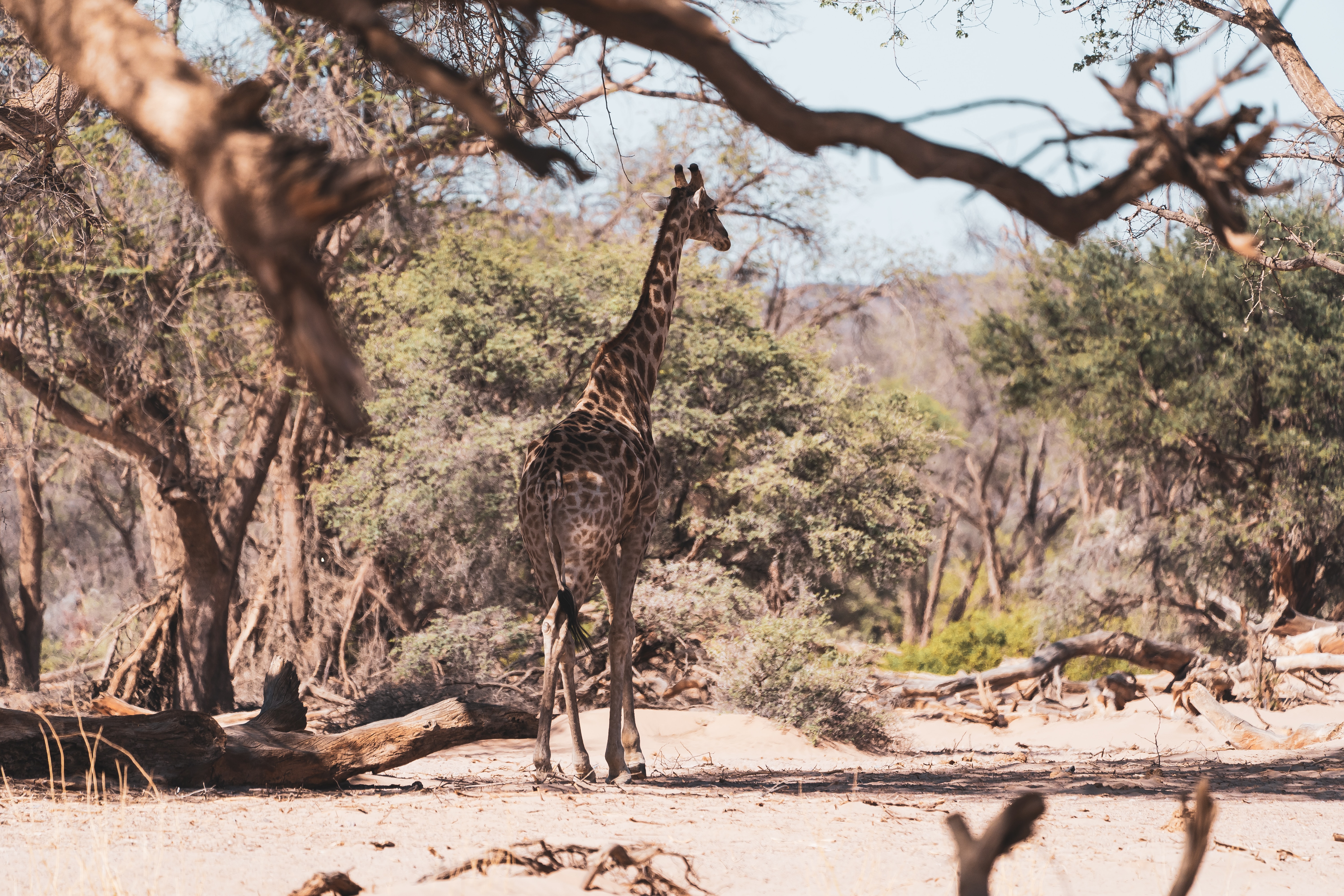
World Habitat Day 2026
Habitat, at its core, signifies the environment where organisms thrive and communities flourish. As urbanization rapidly changes the face of our planet, the idea of habitat, particularly for humans, has transformed drastically. Recognizing the challenges and opportunities this presents, the United Nations established World Habitat Day. Observed on the first Monday of October each year, this day emphasizes the importance of ensuring every individual's right to adequate shelter and underscores the need for sustainable urban and rural habitats.
The Importance of Sustainable Habitats
As cities and towns around the globe expand, ensuring that this growth is sustainable becomes paramount:
Economic Pillars: Cities contribute massively to the global economy. Ensuring they are sustainable can guarantee long-term economic stability and growth.
Cultural Hubs: Cities and towns often become the epicenter of cultural exchange and growth, preserving traditions while fostering innovation.
Environmental Impact: Urban centers can either lead the way in sustainable living or become sources of significant environmental degradation. The choice is ours.
The challenges, such as housing shortages, pollution, lack of basic amenities, and more, are stark, but they also present an opportunity to innovate and create models of sustainable habitats.
Celebration of World Habitat Day 2026
Virtual Tours: Explore sustainable habitats from around the world, understand the architecture, planning, and innovations that have made them a success.
Panel Discussions: Join experts from urban planning, environmental science, and community leaders as they discuss challenges and solutions in creating sustainable habitats.
Interactive Workshops: Participate in brainstorming sessions focused on building sustainable communities, leveraging technology, and integrating natural ecosystems.
Showcase of Innovations: Discover groundbreaking technologies and methods being employed worldwide to revolutionize urban and rural habitats.
Resource Library: Dive deep into the topic with curated articles, research papers, case studies, and multimedia content.
Engage and Contribute
Your involvement can drive change:
Educate and Advocate: Share information about sustainable habitats. Discuss with peers, community leaders, and on digital platforms.
Support Green Building: Advocate for and support green building initiatives. Whether it's a community center or a home, every structure can be sustainable.
Participate in Local Initiatives: Join local urban planning and habitat conservation initiatives. Your perspective can bring unique solutions.
The habitats we create and nurture today will dictate the future of our planet and species. As we mark World Habitat Day 2026, we must remember our collective responsibility to create spaces that are sustainable, inclusive, and conducive to well-being.
Join in championing the cause of sustainable habitats. Together, let's envision and work towards a world where every individual has a safe and sustainable roof over their head and a community that thrives in harmony with nature.
World Habitat Day Themes (2019–2026)
| Year | Theme | Description |
|---|---|---|
| 2019 | Frontier Technologies as an Innovative Tool to Transform Waste to Wealth | Focused on using emerging technologies such as automation, artificial intelligence, and renewable energy to convert waste into valuable resources and promote sustainable urban development. The global observance was held in Mexico City. |
| 2020 | Housing for All: A Better Urban Future | Highlighted adequate housing as a fundamental human right and a cornerstone of sustainable urban development. The main celebration took place in Surabaya, Indonesia. |
| 2021 | Accelerating Urban Action for a Carbon-Free World | Encouraged cities to lead climate action by reducing greenhouse gas emissions through sustainable practices in transport, buildings, and waste management. |
| 2022 | Mind the Gap. Leave No One and No Place Behind | Addressed widening urban inequality and vulnerability, emphasizing inclusive planning in response to COVID-19, climate change, and conflict. |
| 2023 | Resilient Urban Economies: Cities as Drivers of Growth and Recovery | Focused on strengthening urban economies to recover from crises and foster sustainable, inclusive growth. |
| 2024 | Engaging Youth to Create a Better Urban Future | Emphasized youth participation, innovation, and leadership in shaping sustainable and inclusive urban development. |
| 2025 | Urban Crisis Response | Highlighted the need for cities to address interconnected crises such as climate change and conflict through effective response strategies and resilient planning. |
| 2026 | Adequate Housing for All | Focuses on the global housing crisis affecting billions worldwide and calls for universal access to safe, affordable housing and basic services as foundations for inclusive and resilient cities. |
World Habitat Day 2026
World Habitat Day is observed on the first Monday of October each year. In 2026, it will be marked on October 5. Established by the United Nations, the day highlights the fundamental right to adequate shelter and reflects on the state of towns and cities worldwide. It also reminds governments, institutions, and communities of their shared responsibility to shape sustainable human settlements.
The Importance of Sustainable Habitats
As urbanization accelerates, cities are becoming home to more than half of the global population. Sustainable planning is essential to ensure that growth supports both people and the planet.
Economic Stability: Well-planned cities drive innovation, productivity, and long-term economic resilience.
Social Inclusion: Access to housing, transportation, healthcare, and education strengthens communities and reduces inequality.
Environmental Protection: Smart urban planning reduces emissions, manages waste efficiently, and protects green spaces.
Urban challenges such as housing shortages, pollution, informal settlements, and infrastructure gaps also create opportunities for innovation in architecture, renewable energy, and climate-resilient design.
World Habitat Day and the Sustainable Development Goals
World Habitat Day aligns closely with the 2030 Agenda for Sustainable Development.
SDG 9: Industry, Innovation and Infrastructure – Promotes resilient infrastructure and sustainable urban innovation.
SDG 11: Sustainable Cities and Communities – Focuses on inclusive, safe, resilient, and sustainable human settlements.
SDG 13: Climate Action – Encourages climate-responsive urban design and low-carbon development.
SDG 1: No Poverty – Addresses housing insecurity and access to basic services.
Observance of World Habitat Day 2026
The 2026 observance is expected to feature global and local initiatives that examine housing rights, urban resilience, and sustainable development strategies.
Activities may include:
- High-level UN events discussing housing policy and climate resilience
- Urban innovation showcases highlighting green building technologies
- Community workshops on affordable housing and inclusive planning
- Public awareness campaigns focused on sustainable living practices
- Academic forums exploring the future of cities
How You Can Participate
Individuals and communities can contribute to sustainable habitats in practical ways:
- Advocate for affordable and climate-resilient housing policies
- Support green building and energy-efficient practices
- Participate in local planning discussions and community projects
- Reduce your household’s environmental footprint
- Promote inclusive public spaces in your neighborhood
Key Facts
Established: 1985 by the UN General Assembly
First Observed: 1986
Date in 2026: October 5
Primary Focus: Adequate shelter and sustainable urban development
Lead UN Agency: UN-Habitat
Conclusion
World Habitat Day 2026 is a reminder that the spaces we design today determine the quality of life for generations to come. By prioritizing sustainability, inclusion, and resilience, communities can create environments where people thrive while protecting natural systems. Building better habitats is not only an urban priority—it is a global responsibility.