Earth Day 2026
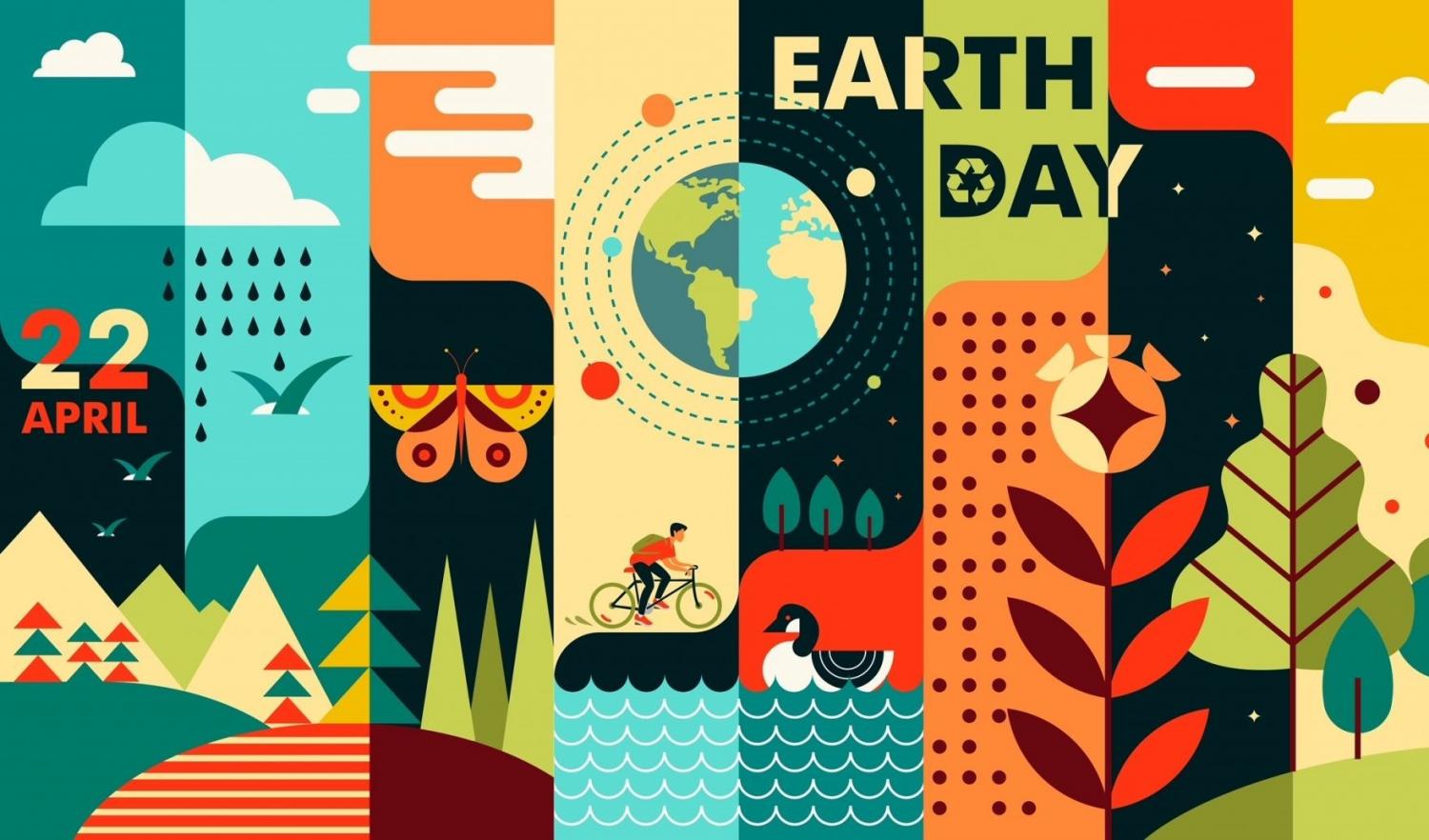
As we progress through the 21st century, the health of our planet emerges as a pressing concern. Earth Day, celebrated globally on April 22, provides a vital platform for raising awareness about environmental issues and advocating for sustainable practices.
Earth Day: A Brief History
Initiated in 1970, Earth Day has grown into a global celebration, with over a billion people participating in more than 193 countries annually. This day is dedicated to educating and mobilizing individuals, communities, and governments on the importance of the environment and the necessity of its preservation and restoration.
Getting Involved
Engaging in Earth Day events is an impactful way to contribute positively to our planet. Activities such as participating in local clean-ups, planting trees, reducing one’s carbon footprint, and advocating for significant policy changes can make a real difference. Earth Day 2026 provides a crucial opportunity to fight against plastic pollution and to push for impactful changes at both local and international levels, including supporting initiatives like the proposed UN Treaty on Plastic Pollution.
The Future of Earth Day
Each year, Earth Day is a key moment for raising awareness and driving change in environmental policy and attitudes. As Earth Day 2026 approaches, we should consider how we can reduce our environmental impact, support sustainability efforts within our communities, and promote global environmental protection. Every effort, no matter the size, contributes to a broader global endeavor to safeguard and preserve our planet for future generations.
The campaign aims to encourage governments, businesses, and individuals to invest in the green economy, which is the only path to a healthy, prosperous, and equitable future. The organization believes that human influence is unequivocally to blame for the warming of the planet and that some forms of climate disruption will be felt for centuries to come. Therefore, it is essential to push away from the dirty fossil fuel economy and old technologies of centuries past and redirect attention to creating a 21st-century economy that restores the health of our planet, protects our species, and provides opportunities for all.
Governments, businesses, and individuals are all essential in harnessing the revolutionary progress needed to save humanity from the climate crisis. Overcoming climate change is within reach if everyone commits to action and invests in our planet and our collective future. Businesses, inventors, investors, and financial markets must drive value for their institutions and society through green innovation and practices. Governments must incentivize their citizens, businesses, and institutions to create and innovate, advancing the public’s interests and creating the framework for an equitable and sustainable global economic system. Individual citizens must push for sustainable solutions across the board as voters and consumers.
These are all great ways to participate in Earth Day 2026 and make a positive impact on our planet. It's important to remember that every small action counts and that we all have a role to play in creating a more sustainable future. By planting trees or a pollinator garden, reducing plastic consumption, participating in advocacy, making sustainable fashion choices, planning your own event, donating, and activating on social media, you can help make a difference and contribute to a greener, more equitable world. Let's all invest in our planet this Earth Day and beyond!
Earth Day 2026 FAQ:
When is Earth Day celebrated?
Earth Day is celebrated annually on April 22nd.
Why is Earth Day important?
Earth Day is important because it raises awareness and promotes action towards protecting our planet and its natural resources. It provides an opportunity for individuals, organizations, and governments around the world to come together and discuss the urgent need to address the global environmental crisis we are facing, such as climate change, air and water pollution, deforestation, and loss of biodiversity.
Earth Day also serves as a reminder that we all have a responsibility to care for the planet, both individually and collectively. It encourages people to make small changes in their daily lives, such as reducing their carbon footprint, conserving water, and recycling, as well as advocating for larger systemic changes that can help mitigate the impacts of climate change and protect the environment for future generations.
Additionally, Earth Day has been successful in bringing attention to important environmental issues and catalyzing significant policy changes. For example, the first Earth Day in 1970 led to the creation of the United States Environmental Protection Agency and the passage of the Clean Air Act, Clean Water Act, and Endangered Species Act. Today, Earth Day continues to inspire action and serve as a platform for individuals and organizations to come together and work towards a more sustainable and equitable future.
Who started Earth Day?
Earth Day was started by Gaylord Nelson, a US senator from Wisconsin, in 1970.
How is Earth Day celebrated?
Earth Day is celebrated in a variety of ways, including tree planting, community cleanups, educational events, and rallies. Many organizations also use Earth Day as an opportunity to launch campaigns and initiatives focused on environmental issues.
How can I participate in Earth Day?
There are many ways to participate in Earth Day, including planting trees, reducing plastic consumption, participating in advocacy, making sustainable fashion choices, planning your own event, donating to environmental campaigns, and activating on social media.
What can I do to help the environment beyond Earth Day?
There are many ways to help the environment beyond Earth Day, such as reducing energy consumption, conserving water, supporting sustainable agriculture, reducing waste, and using eco-friendly products. It's important to make a commitment to sustainable practices year-round to make a real difference for the planet.
Why was April 22 picked for Earth Day?
April 22 was chosen as Earth Day because it marks the beginning of spring in the Northern Hemisphere and the end of autumn in the Southern Hemisphere. The organizers of the first Earth Day in 1970, led by U.S. Senator Gaylord Nelson, wanted a date that would maximize participation on college campuses, where the movement began. April 22 fell between spring break and final exams, making it a convenient time for students to organize events and rallies. Additionally, the date was not associated with any religious holidays or other major events, making it a neutral and inclusive choice.
What is the difference between Earth Day and World Environment Day?
Earth Day and World Environment Day are two separate annual events that share the common goal of promoting environmental awareness and action.
Earth Day is celebrated on April 22nd each year and was first observed in 1970. It is primarily focused on raising awareness and promoting action to protect the environment and combat climate change. Earth Day is organized by EARTHDAY.ORG, a global organization that works to promote sustainable living and environmental conservation.
World Environment Day, on the other hand, is celebrated annually on June 5th and was established by the United Nations General Assembly in 1972. Its primary focus is to encourage worldwide awareness and action for the protection of the environment. Each year, the United Nations chooses a specific theme to draw attention to a particular environmental concern. World Environment Day is coordinated by the United Nations Environment Programme (UNEP), which is responsible for organizing and promoting activities and events around the world to mark the day.
While Earth Day and World Environment Day share a common goal, they are two separate events with different organizers and different approaches to promoting environmental awareness and action.
Earth Day Themes (2015–2026)
| Year | Theme | Description |
|---|---|---|
| 2015 | It’s Our Turn to Lead | Called for leadership and action at all levels to protect the planet and address environmental challenges. |
| 2016 | Trees for the Earth | Launched a global campaign to plant 7.8 billion trees worldwide as a response to climate change. |
| 2017 | Environmental & Climate Literacy | Promoted education and awareness of environmental and climate science to empower informed action. |
| 2018 | End Plastic Pollution | Focused on reducing plastic consumption and addressing the environmental harm caused by plastic waste. |
| 2019 | Protect Our Species | Highlighted biodiversity loss and the urgent need to protect wildlife and endangered species. |
| 2020 | Climate Action | Marked Earth Day’s 50th anniversary with an urgent call to combat climate change. |
| 2021 | Restore Our Earth | Encouraged natural solutions, innovation, and restoration of ecosystems to support planetary health. |
| 2022 | Invest in Our Planet | Highlighted the economic and environmental benefits of investing in sustainability and green solutions. |
| 2023 | Invest in Our Planet (Continuation) | Continued the emphasis on economic transformation and environmental sustainability. |
| 2024 | Planet vs. Plastics | Advocated cutting plastic production by 60% and banning single-use plastics to protect ecosystems. |
| 2025 | Our Power, Our Planet | Emphasized individual and community action, education, and renewable energy for a sustainable future. |
| 2026 | Our Power, Our Planet | Reinforces collective action to strengthen environmental protections, accelerate clean energy, and drive systemic change through civic engagement. |
Connection to the Sustainable Development Goals
Earth Day 2026 aligns with multiple United Nations Sustainable Development Goals by promoting environmental protection, climate action, and sustainable economic transformation.
SDG 12: Responsible Consumption and Production – Encouraging sustainable consumption patterns, waste reduction, and responsible resource management supports long-term environmental stability.
SDG 13: Climate Action – Raising awareness of climate change and advocating for emissions reduction contributes to global climate mitigation and adaptation efforts.
SDG 14: Life Below Water – Campaigns addressing plastic pollution and ocean health contribute to protecting marine ecosystems.
SDG 15: Life on Land – Supporting biodiversity protection, reforestation, and ecosystem restoration strengthens terrestrial ecosystems.
SDG 17: Partnerships for the Goals – Collaboration among governments, businesses, civil society, and individuals supports coordinated environmental action.
How the Event Is Observed
Earth Day 2026 is observed through global campaigns, environmental education programs, community clean-up initiatives, tree planting efforts, policy discussions, and sustainability-focused events organized by civil society groups, educational institutions, governments, and private sector entities.
EARTHDAY.ORG coordinates international campaigns and provides resources for participation. Activities vary across countries and communities and may include advocacy efforts related to climate policy, renewable energy, and plastic pollution reduction.
Key Facts at a Glance
Date: 22 April 2026
First observed: 1970
Founder: Gaylord Nelson (United States Senator)
Global participation: 190+ countries
Coordinating organization: EARTHDAY.ORG
Global scope: International
Frequently Asked Questions – Earth Day 2026
What is Earth Day 2026?
Earth Day 2026 is an international environmental observance held annually on 22 April. It promotes awareness of environmental protection, climate action, and sustainable development worldwide.
Why is Earth Day celebrated on April 22?
Earth Day is celebrated on April 22 because the date was selected in 1970 to maximize student participation in the United States. It falls between spring break and final exams and is not associated with major religious holidays.
Who started Earth Day?
Earth Day was initiated in 1970 by U.S. Senator Gaylord Nelson. The first observance led to increased environmental awareness and the establishment of significant environmental legislation in the United States.
How is Earth Day observed globally?
Earth Day is observed through environmental campaigns, clean-up drives, tree planting, educational forums, and advocacy events. Activities are organized independently by institutions, governments, and civil society organizations.
Is Earth Day a United Nations observance?
Earth Day is not an official United Nations-designated International Day. It is coordinated globally by EARTHDAY.ORG, though it aligns closely with UN Sustainable Development Goals.
What is the difference between Earth Day and World Environment Day?
Earth Day is observed on April 22 and organized by EARTHDAY.ORG. World Environment Day is celebrated on June 5 and coordinated by the United Nations Environment Programme.
References
EARTHDAY.ORG. “About Earth Day.”
https://www.earthday.org
United Nations. “Sustainable Development Goals.”
https://sdgs.un.org/goals