The global food system faces mounting pressures from climate change, resource competition, conflict, and markets, with the harshest impacts falling on nutritionally vulnerable populations. Meeting this challenge demands a paradigm shift in how food is grown and distributed, supported by new science, policy reforms, and broad transformations from farm to fork.
The United Nations Global Compact-Accenture Global Private Sector Stock take report report offers an appraisal of private sector contributions to the SDGs so far and outlines a clear pathway for private sector action over the next seven years.
This chapter aligns with Goals 2 and 11 by focusing on the potential for improved food production when agroforestry practices are exploited. Further, the use of Agroforestry enhances sustainability within food production systems by providing environmental protections and balances.
The UK is trying to achieve carbon neutrality (SDG 13) and improve biodiversity (SDG 15). This One Earth Research Article explores various land-use changes that the UK could make to achieve these various goals but finds that no solutions exist without trade offs like reduction in food production (SDG 2).
This article provides novel insights for further improvements in tomato quality while also developing water-saving irrigation techniques.
The UN Global Compact Network UK, in partnership with Irwin Mitchell, has developed the SDG Playbook for SMEs: a step-by-step guide to help smaller companies unlock the competitive advantages associated with embracing the Sustainable Development Goals.
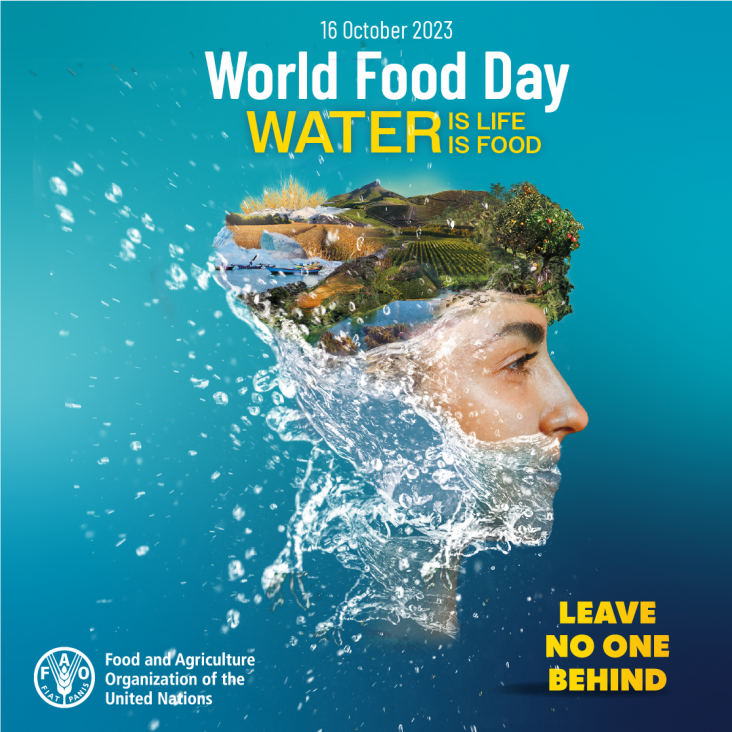
In support of #WorldFoodDay, Elsevier has curated a special collection of free access book and journal content to help raise awareness for water as the foundation for life and food.


In The World We Want we explore key themes related to the SDGs: leadership, innovation and youth. Dr. Márcia Balisciano, Global Head of Corporate Responsibility, interviews influencers and thought leaders across disciplines on key topics to achieve the global goals.
Despite inherent resiliency and strengths, Indigenous Peoples in the United States and Canada have been impacted by colonialism, which has led to a loss of land, culture, and identity. Loss of land in particular has had substantial impacts on Indigenous food system practices. Indigenous food sovereignty (IFS) has been determined to be a mechanism for Indigenous communities to build their capacity to address food insecurity.