This report analyzes the growing water security challenges in the Middle East and outlines key opportunities across desalination, wastewater treatment, and digital water management. It highlights climate-driven risks, infrastructure gaps, and investment priorities shaping the region’s transition toward resilient and sustainable water systems.
This report examines how the evolution of the energy sector is creating economic impact at both global and GCC levels. It analyzes the shift toward lower-carbon power generation, the role of decentralisation, decarbonisation, and digitalisation, and the socio-economic effects of renewable energy, energy efficiency, and hydrogen investments on jobs, GDP, industrial development, and long-term economic diversification.

This report reviews the main developments shaping the solar sector across the Middle East and North Africa, combining market updates, technology analysis, and country-level progress. It examines renewable investment trends, PV module innovation, distributed solar, digital energy management, green hydrogen, storage, and the outlook for leading solar markets across the region.
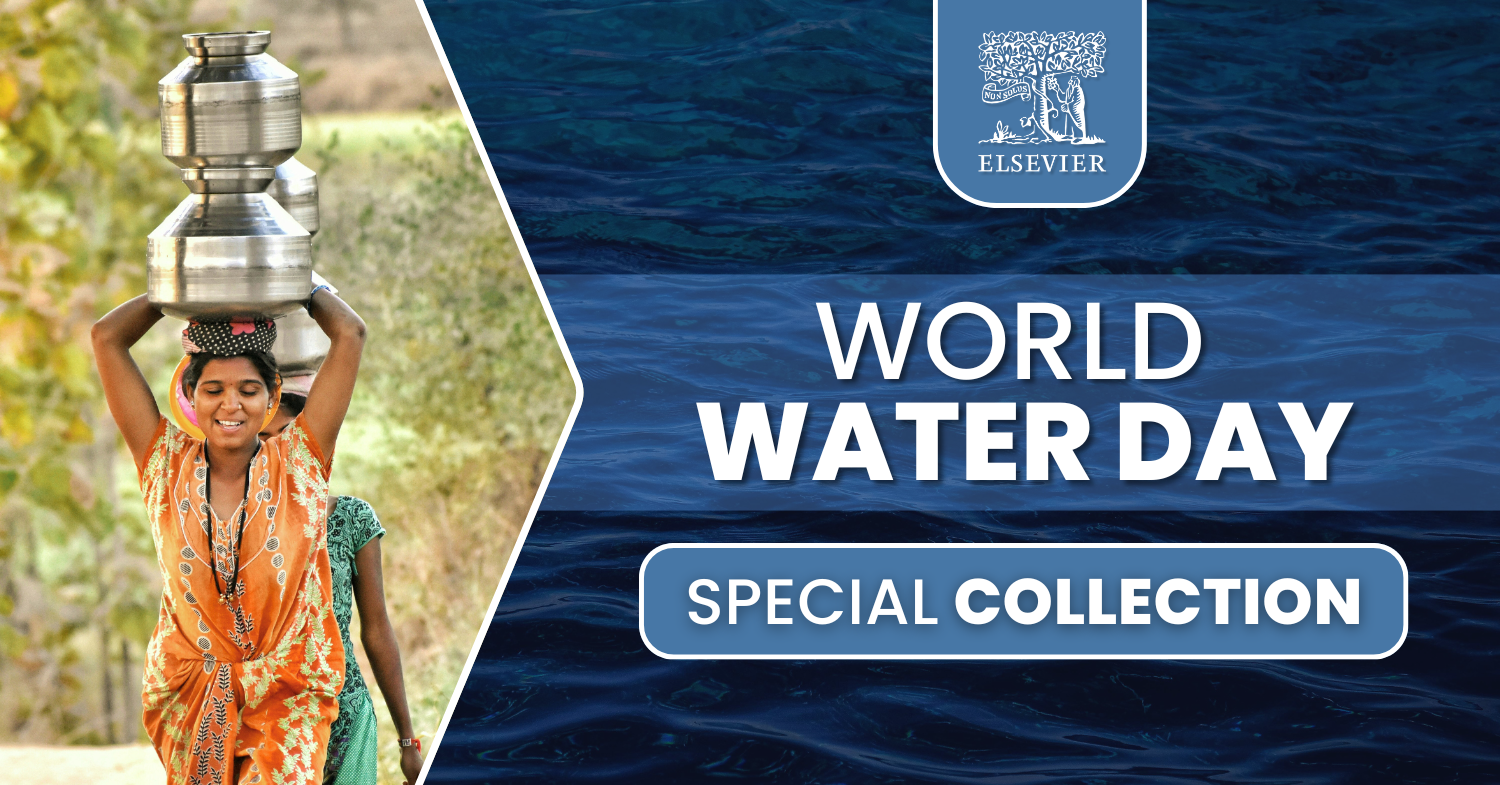
World Water Day, held on 22 March every year since 1993, is an annual United Nations Observance that celebrates water and inspires action to tackle the global water crisis. Women and girls are disproportionately affected by water-related challenges due to entrenched gender roles, inadequate infrastructure, underrepresentation, limited funding, restrictive social norms and systemic inequalities.
This report analyzes the key trends driving energy transition across the GCC, focusing on renewable energy, digital grids, energy storage, distributed systems, and efficiency. It outlines market opportunities, enabling technologies, and the structural role of energy efficiency and district cooling in achieving regional climate and energy goals.
This executive summary brings together perspectives from regional business leaders on the forces shaping future cities in the Middle East. It highlights the role of sustainability, smart buildings, renewable energy, digital public services, real estate expansion, and investor-friendly policies in redefining urban development across Qatar, Bahrain, Saudi Arabia, and the UAE.
This report examines the role of green hydrogen in global decarbonization, outlining production pathways, technology developments, deployment trends, and strategic opportunities. It highlights hydrogen’s potential across industry, power, transport, and storage, while emphasizing the importance of cost reduction, electrolyzer innovation, and regional advantages such as those found in the GCC.
This report examines the evolving solar landscape across the Middle East, assessing policy shifts, investment trends, market development, and the technologies shaping regional deployment. It highlights how solar power is intersecting with carbon credits, green hydrogen, electric vehicles, digitalization, storage, and country-level energy strategies across leading MENA markets.