
Global

World Creativity and Innovation Day 2026: Harnessing Creativity for Global Progress

World Creativity and Innovation Day, celebrated annually on April 21, highlights the essential role of creativity and innovation in addressing global challenges and achieving sustainable development. Established by the United Nations General Assembly in 2017 through Resolution 71/284, the day promotes creative problem-solving and fosters innovative thinking worldwide.
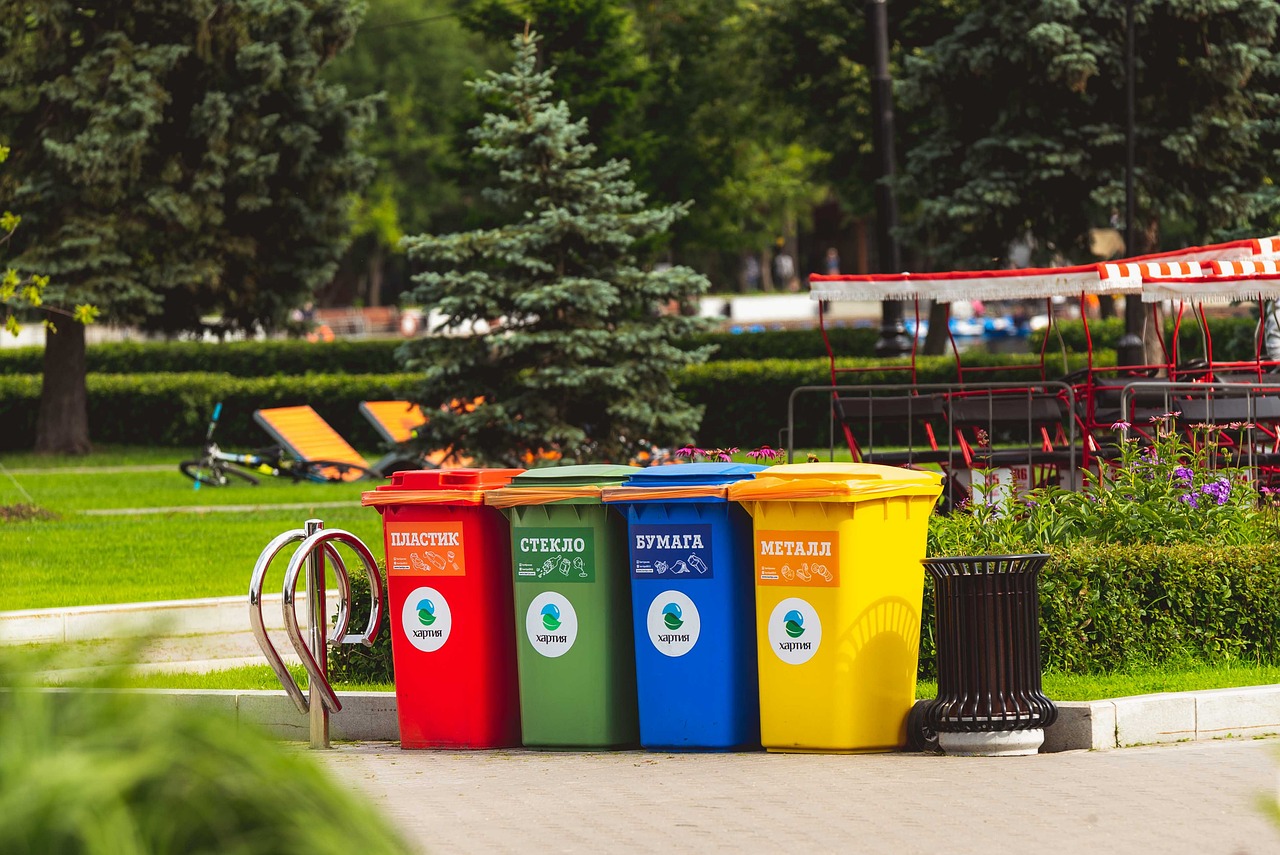
International Day of Zero Waste 2026: Tackling Waste for a Sustainable Future

Observed annually on March 30, the International Day of Zero Waste promotes global efforts to address the waste crisis and advance sustainable production and consumption practices. Established by the United Nations General Assembly in 2022, this observance highlights solutions for resource recovery, reducing pollution, and protecting both human and environmental health.

Addressing the Waste Crisis
This article describes how to make variables exogenous within International Futures integrated model to understand how forecasts created by others may interact with a broader set of outcome indicators like Shared Socioeconomic Pathways (SSPs).
Elsevier,

One Health, Volume 19, December 2024

Rapidly increasing human population and food animal populations are correlated with emergence of new zoonotic infectious diseases. Dependence on a few species of plants and animals for most human food may contribute to food insecurity.
The article concludes that the Mediterranean diet (MD) stands out as a model for sustainable and healthy eating, offering significant benefits for both human and planetary health. While it does not outperform vegetarian or vegan diets in terms of environmental impact, its nutritional quality, cultural acceptance, and moderate environmental footprint make it a practical and valuable dietary pattern. To maximize its benefits, policy and educational efforts should promote MD adherence and integrate sustainability considerations into dietary recommendations, addressing the challenges posed by globalization and shifting food preferences. Standardizing environmental impact measurements and considering broader sustainability indicators remain important areas for future research.
Elsevier, Results in Engineering, Volume 24, December 2024
This study shows that climate change is likely to increase the frequency and severity of urban flooding, with higher greenhouse gas emissions leading to more intense rainfall and floods, highlighting the need for better planning and adaptation strategies to protect cities.
In this episode of the "World We Want" podcast, Márcia Balisciano interviews three global experts, Ronald DiPippo, Andrew Chiasson, and Luis Carlos Gutiérrez-Negrín. Their book, the 2nd edition of Geothermal Power Generation, was recently published by Elsevier. They discuss the development and potential of geothermal energy as a reliable and sustainable energy source, and how their work aligns with the UN sustainable development goals.
This article is a Survey of industry 4.0 in Beyond the Sixth-Generation (6G) networks moving to sustainable, green IoE and efficient and emerging technologies to overcome sustainability challenges.
This text ties into SDG 13 (Climate Action) by focusing on innovative methods for CO2 capture using ionic liquids, which can help mitigate greenhouse gas emissions. It also relates to SDG 9 (Industry, Innovation, and Infrastructure) through the use of advanced computational approaches and generative models to accelerate the discovery and optimization of new materials.
Elsevier,

Sex and Gender Differences in Cardiovascular-Renal-Metabolic Physiology and Pathophysiology: Sex, Gender and Function, Fundamentals of Physiology, 2025, Pages 69-84

This chapter aligns with SDG goal 3 - Good health and well-being, by aiming to improve understanding, prevention, and management of cardiovascular health risks associated with PCOS

Pages