Global

This chapter supports SDG 9, 11, and 13 by focusing on innovative infrastructure solutions, which are key to building sustainable and resilient regional connections; examining how innovative infrastructure can help transform traditional cities by improving connectivity, reducing environmental impact, and driving economic growth; and highlighting the importance of green infrastructure and renewable energy in mitigating the environmental impact of infrastructure, particularly by reducing greenhouse gas emissions.

The article highlights the importance of tailoring interventions to local cultural contexts and engaging with indigenous communities to ensure the feasibility and sustainability of Echinococcus control efforts.

Front cover of Emerald Sky flight emissions report

Cirium has released the Flight Emissions Review, the official airline report giving stakeholders across the aviation sector an accurate, transparent, data-backed view of emissions performance.  The emissions calculation is built on the most accurate calculations available and its methodology is certified to ISAE 3000 with Reasonable Assurance.

The review includes
Global water savings can be achieved by trading crops from countries with higher to lower water productivity. However, strengthening such water-saving trade links could intensify global water stress if exports come from water-stressed countries to less stressed ones. Here, we explore whether international crop trade can alleviate global water stress using a virtual scarce water saving/loss indicator and refined trade matrices for 109 crops across 150 countries.

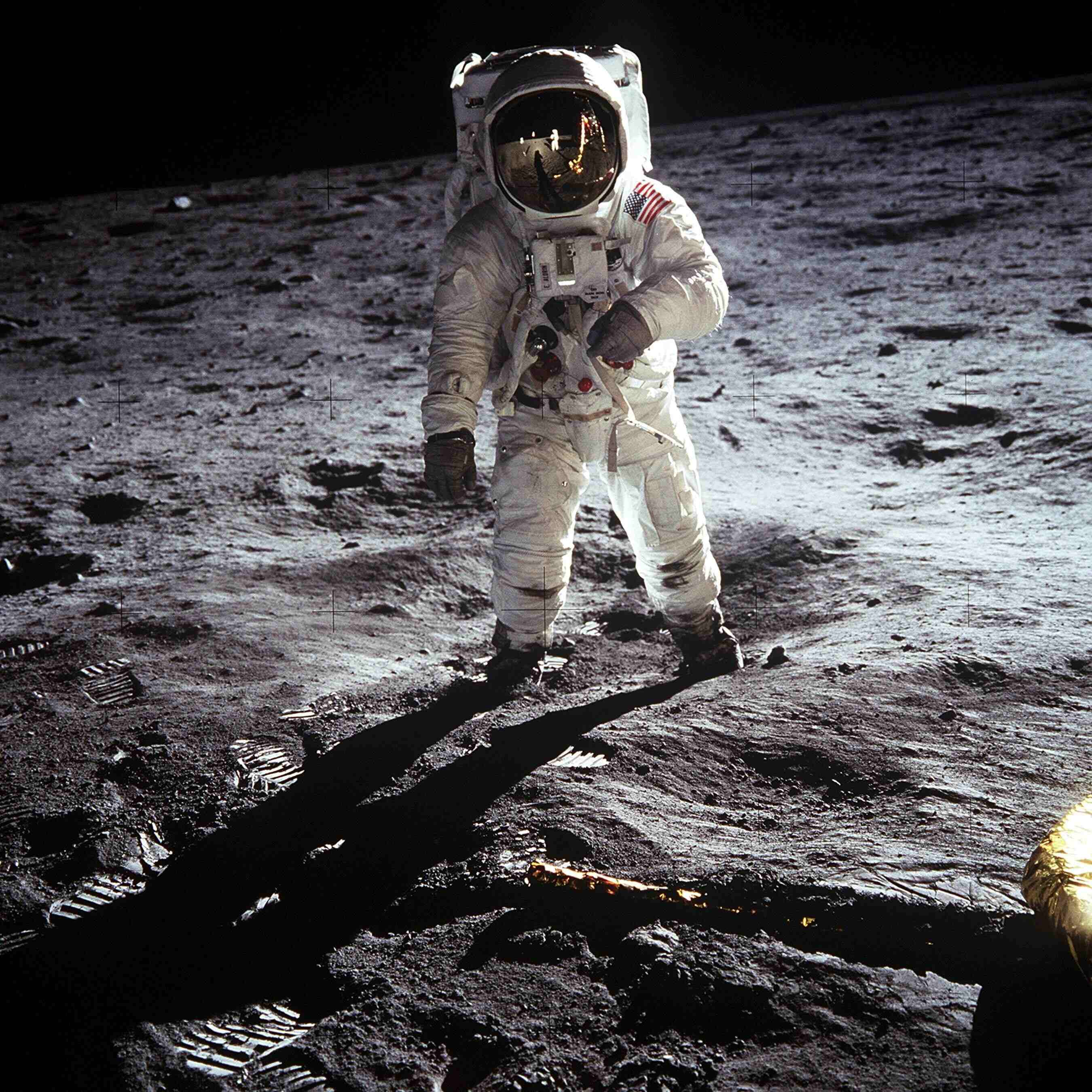
International Moon Day 2026

Honoring a Legacy, Inspiring the Future

This review examines how artificial intelligence (AI), machine learning (ML) and the Internet of Things (IOT) improve thermal efficiency, enable real-time system monitoring, and support predictive maintenance across solar, wind, geothermal, and bioenergy applications.
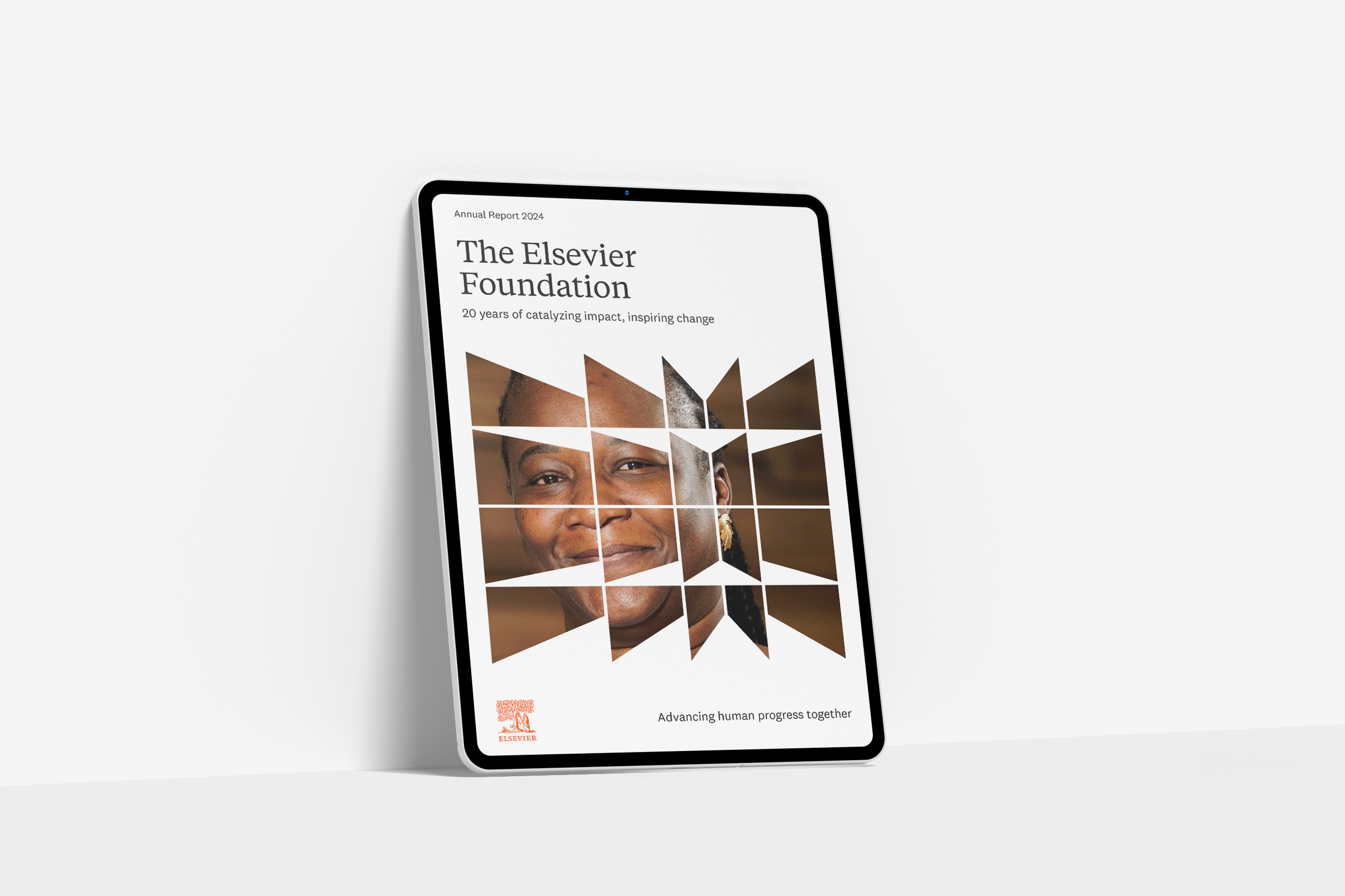
Women smiling in a white headscarf

To mark its 20th anniversary, the Elsevier Foundation has released an impact report highlighting its key partnerships and achievements. Since 2005, The Elsevier Foundation has awarded over $18 million in grant funding. These grants have supported more than 100 partners across 70+ countries, reinforcing a commitment to fostering inclusive research and healthcare and promoting better health outcomes and a more sustainable research ecosystem.

REFRESH is a practical, reliable tool for assessing dietary patterns that benefit both human health and the environment. Its simplicity and strong validity make it suitable for clinical, epidemiological, and self-assessment purposes, enabling broader promotion and adoption of sustainable healthy diets. By bridging the gap between health and sustainability in diet evaluation, REFRESH supports health professionals and the public in making informed dietary choices, contributing to improved health outcomes and reduced environmental impacts.

International Day of Combating Sand and Dust Storms 2026

The International Day of Combating Sand and Dust Storms is observed each year on 12 July. Proclaimed by the United Nations General Assembly through resolution A/RES/77/294, this day raises attention to the widespread impact of sand and dust storms on health, agriculture, economies, and ecosystems. It urges governments, institutions, and communities to work together to prevent harm, manage risks, and support affected regions.

By minimizing food waste and optimizing production through predictive analytics and real-time monitoring, as well as by enhancing product quality and safety to improve food security and access to nutritious food the proposed framework reaches optimum organic food production. The alignment of production with demand forecasts also helps reduce waste and ensure the availability of the right products.

Pages