Global

Elsevier,

International Journal of Food Microbiology, Volume 442, 2 November 2025

This research underscores the potential of aquaponic systems to contribute to sustainable urban food production while emphasizing the importance of stringent water quality and hygiene practices to ensure food safety in global food systems.
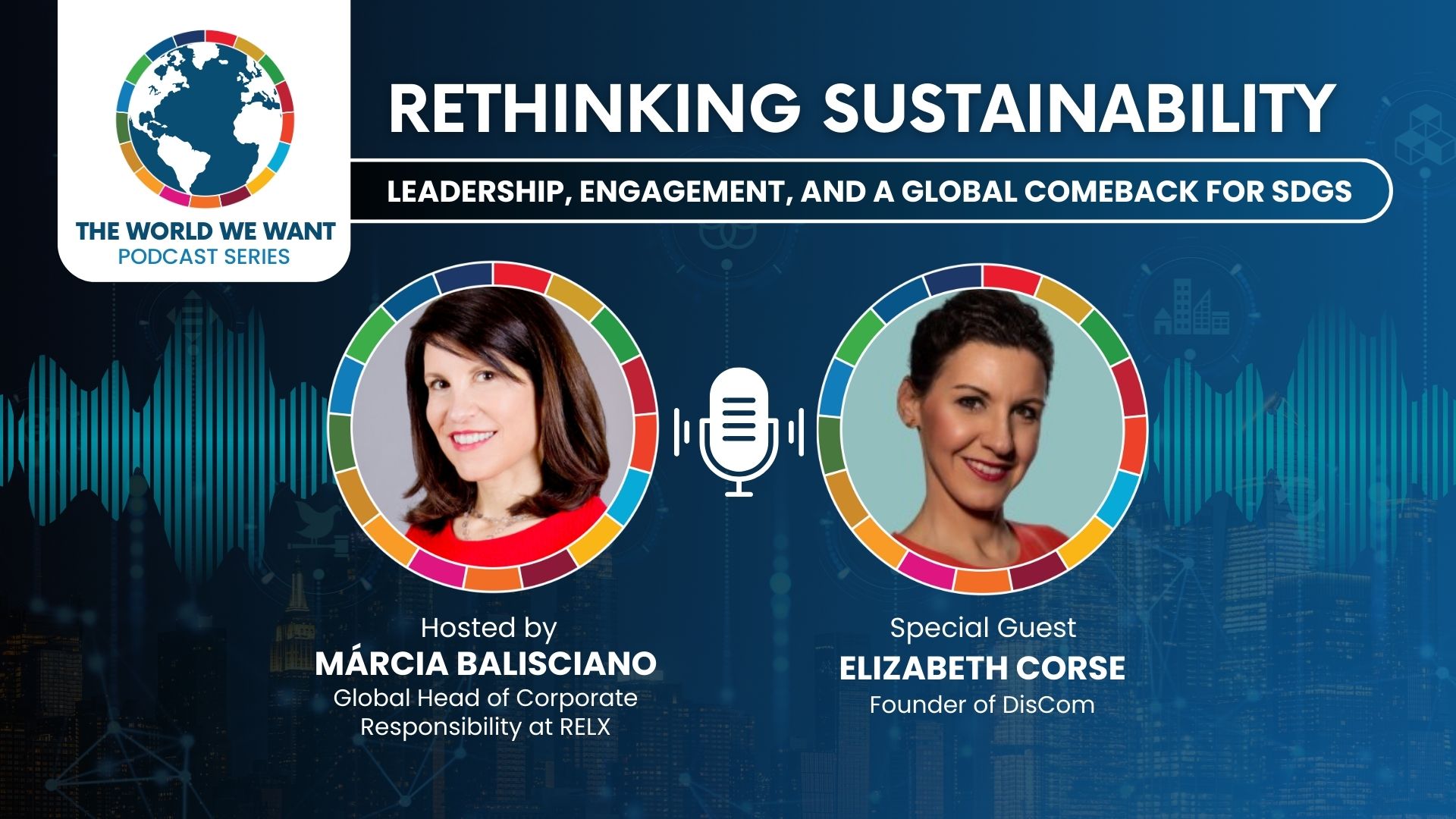
Podcast host and guest image against a blue background
In this episode of the "World We Want" podcast, Márcia Balisciano interviews Elizabeth Corse, Founder of DisCom. They discuss the need to move beyond “business as usual” and how empowering both citizens and company leaders is essential for real sustainability progress. They also explore how to identify organizations that genuinely embed sustainability and encourages renewed commitment to the UN Sustainable Development Goals (SDGs) as an opportunity for a global “comeback.”

COP30 is the 30th United Nations Conference of the Parties (COP), an annual global meeting where world leaders, scientists, non-governmental organizations, and civil society leaders gather to discuss actions to tackle climate change. It is considered one of the world's key events on the subject. COP30 is a historic opportunity for Brasil to reaffirm its leadership in climate change negotiations and global sustainability.

Elsevier, Sustainable Production and Consumption, Volume 60, November 2025
This study analyzes decarbonization efforts of 1,095 European firms, identifying six key strategic pathways—ranging from risk diagnosis to supply chain redesign—and uses a systems dynamics approach to reveal how these interconnected strategies influence climate risk performance. The findings offer valuable tools for managers and policymakers to coordinate supply chain actions more effectively, fostering continuous innovation and improved sustainability outcomes.
Elsevier, Archives of Medical Research, Volume 56, November 2025
This review highlights how the nature crisis, particularly climate change, is reshaping the distribution and intensity of diseases, posing significant challenges for global and local health policies. It underscores the urgent need for adaptive, multidisciplinary health strategies that address vulnerable populations and prioritize mitigation efforts to build a sustainable relationship between humans and nature.
Elsevier,

The Lancet Obstetrics, Gynaecology, & Women's Health, Volume 1, Issue 3, November 2025, Pages e189-e197

This study represents the first clinical trial of dichloroacetate, a non-hormonal treatment, for endometriosis-associated pain in 30 women, demonstrating that recruitment and treatment are feasible despite common but manageable side effects. The research directly relates to International Women's Day by addressing endometriosis, a chronic condition affecting an estimated 190 million women worldwide that causes debilitating pelvic pain and infertility, highlighting the urgent need for better treatment options for women's health.
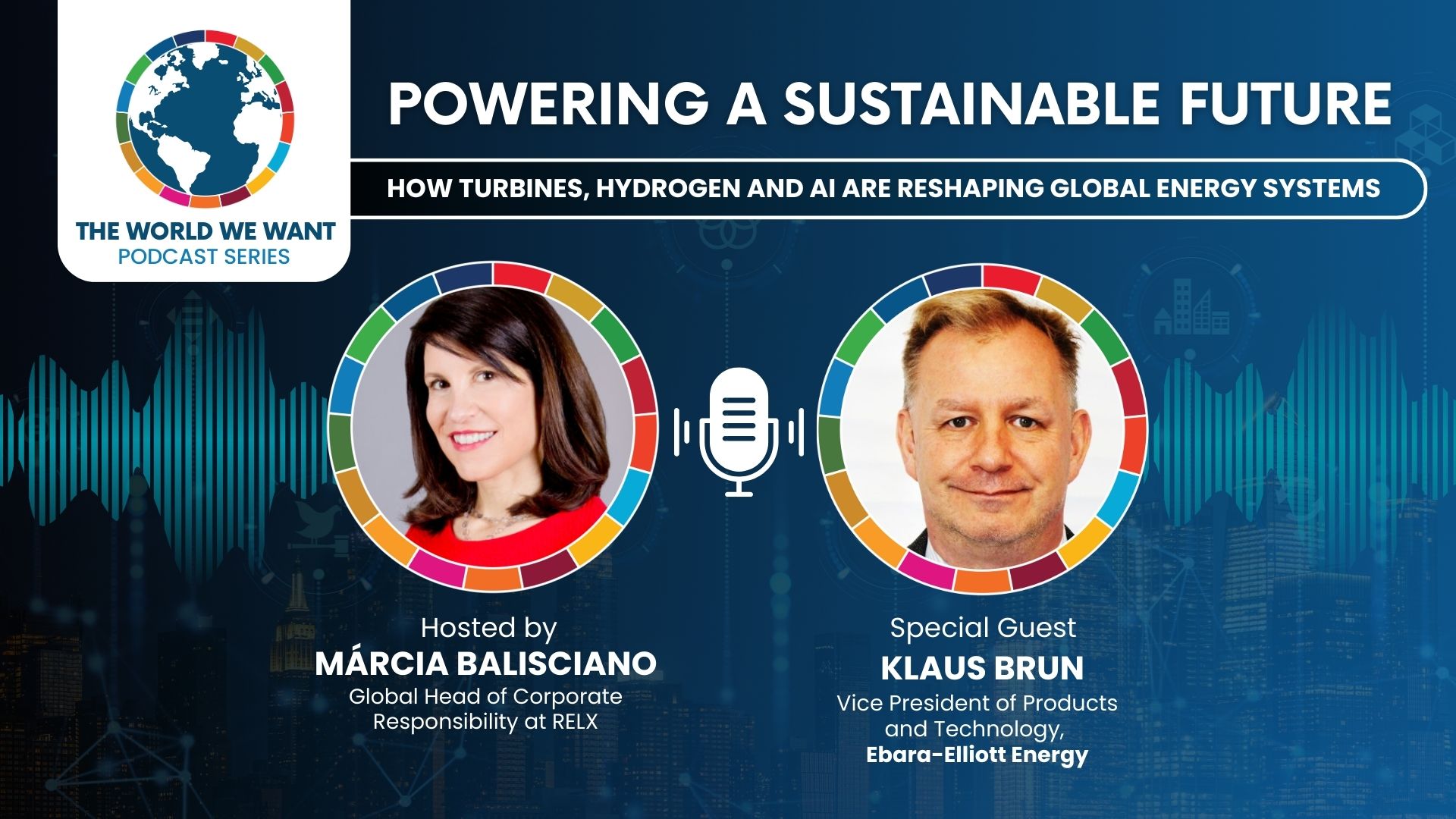
Image of podcast host and guest against a blue background with thw World We Want logo
In this episode of the "World We Want" podcast, Márcia Balisciano interviews Klaus Brun, Vice President of Products and Technology, Ebara-Elliott Energy. They discuss why clean, reliable energy is essential for global sustainability and what technologies like turbines and hydrogen/CO₂ transport are needed for the transition. They also note how AI both raises energy demand and helps improve system efficiency.

Learn about the history of the ADAM Program and get a behind the scenes look at the new Interactive Missing Children Dashboard. This article demonstrates the power of the ADAM Program in locating missing children, relating to SDG 16, Peace, Justice and Strong Institutions. The ADAM Program is the result of a 25 year partnership between LexisNexis Risk Solutions and the National Center for Missing & Exploited Children (NCMEC).

The goal of this special issue is to highlight the latest and most significant outcomes in energy and carbon-neutral urban water management for net-zero emissions.

Elsevier,

Climate Change and Disability: A Collaborative Approach to a Sustainable, Inclusive Future for All 2026, pp 45-48

This chapter highlights how climate change intensifies health challenges and resource access barriers for women with disabilities, aligning with SDG 3 (Good Health and Well-being) by emphasizing the need for inclusive decision-making to improve health outcomes and ensure equitable access to rights.

Pages