How Sex and Gender Impact Clinical Practice: An Evidence-Based Guide to Patient Care (Second Edition), 2026, pp 11-23
This chapter aligns with SDG 3 – Good Health and Well‑Being and SDG 5 – Gender Equality by demonstrating how gender‑informed communication strategies can improve clinician‑patient interactions, leading to better healthcare outcomes and more equitable, culturally aware treatment experiences for women and other gendered patient groups.
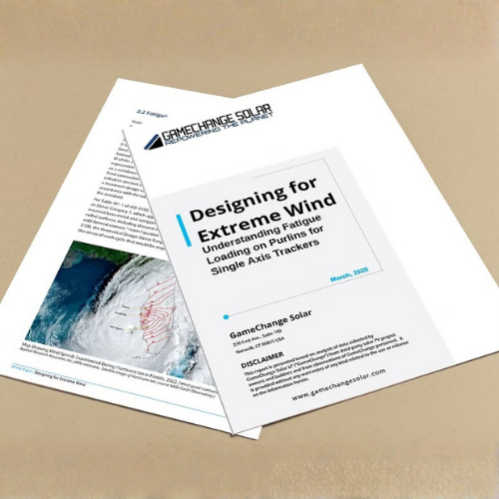
Short summary: This report explains how hurricanes and other long duration extreme wind events can generate repeated cyclic pressures on single axis tracker systems that accumulate as fatigue loading over time. It finds that commonly used standards and analytical approaches may not represent real hurricane cycle counts, pressure amplitudes, or the full module purlin assembly behavior.
Agricultural Water Management in Africa: Lessons Learned and Future Directions, 2026, pages 279-299
The research strongly aligns with SDG 5 (Gender Equality) through its focus on women's empowerment in agricultural decision-making and economic participation. The study also connects to SDG 1 (No Poverty) by demonstrating how agricultural innovations and water management have contributed to poverty reduction and economic opportunities for marginalized groups, particularly women. The circular economy model described, where women engage in rice production while men focus on vegetables, creates sustainable livelihoods that support both gender equality and poverty alleviation goals. Finally, the article strongly connects to SDG 6 (Clean Water and Sanitation) through its focus on water management innovations and infrastructure development.
Agricultural Water Management in Africa: Lessons Learned and Future Directions, 2026, pages 261-277
The article is closely linked to five key SDGs through its emphasis on gender equality and social inclusion (GESI) in agricultural water management. SDG 2 (Zero Hunger) highlights the critical role women play in food production and food security, underscoring the importance of ensuring equal access to water resources. SDG 5 (Gender Equality) focuses on reducing gender disparities, including unequal access to water resources and irrigation technologies. SDG 6 (Clean Water and Sanitation) calls for gender‑responsive approaches to water management. SDG 10 (Reduced Inequalities) stresses the need to ensure that marginalized groups, such as women and smallholder farmers, have equal rights to land and water resources. SDG 13 (Climate Action) advocates for integrating gender‑sensitive strategies into climate adaptation efforts related to agricultural water management. By aligning GESI principles with these SDGs, the article illustrates how inclusive approaches to agricultural water management can promote sustainable practices that alleviate poverty, strengthen food security, and support environmental sustainability, while also advancing social justice.
This chapter aligns with SDG 3 – Good Health and Well‑Being and SDG 5 – Gender Equality by examining how sex and gender shape public‑health issues such as intimate partner violence, access to healthcare, and infectious‑disease prevention, thereby supporting more equitable, informed, and effective care for diverse populations.

Short summary: This report examines how the global energy transition entering 2026 is being reshaped by artificial intelligence, decentralised infrastructure, and resource resilience. It outlines how intelligence-driven systems, water security innovation, and cost-focused clean technologies are redefining energy generation, distribution, and industrial transformation.
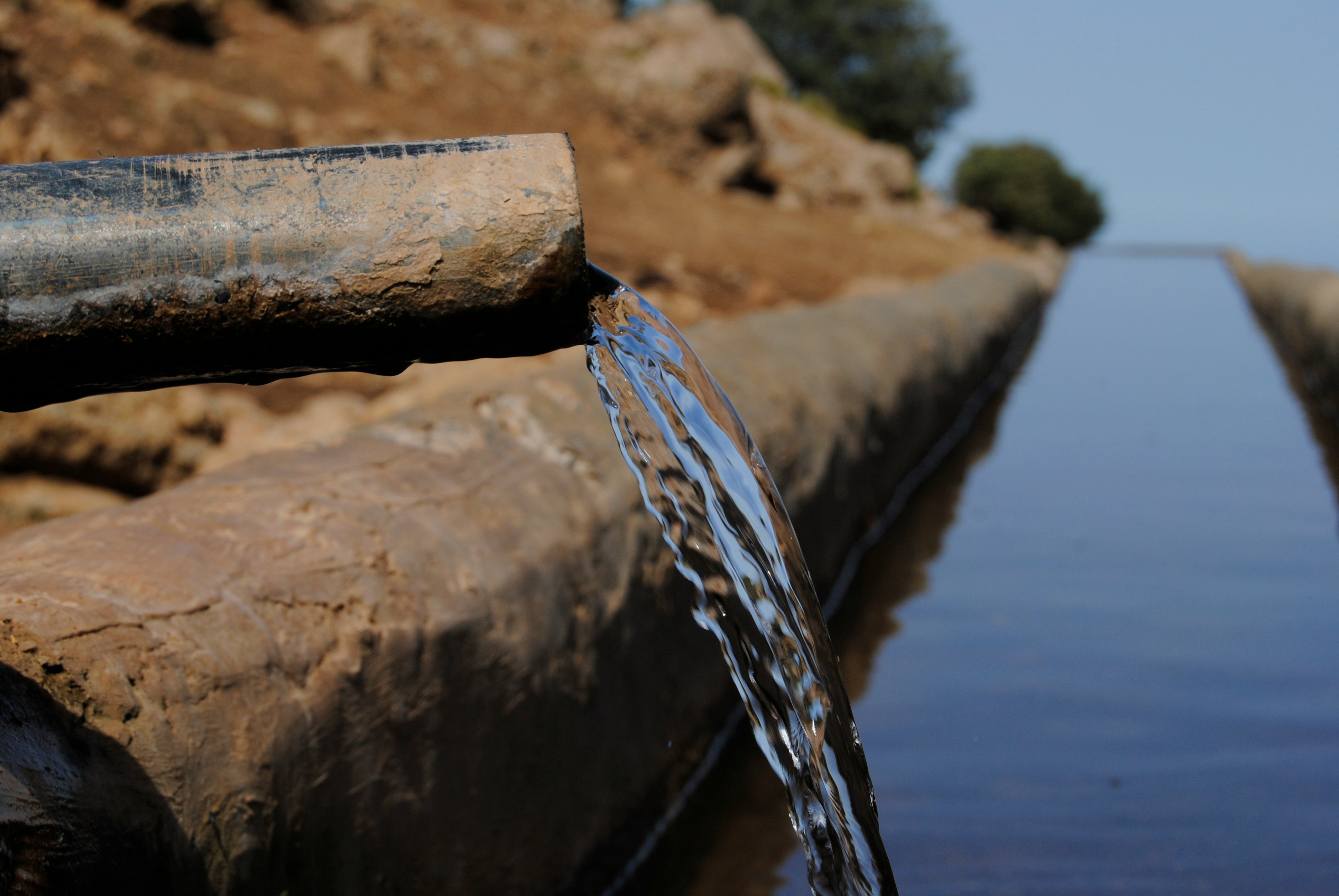
The RELX Environmental Challenge celebrates 15 years of supporting clean water and sanitation innovation, marking this significant milestone with an increase in the prize fund and the introduction of a new ocean category.
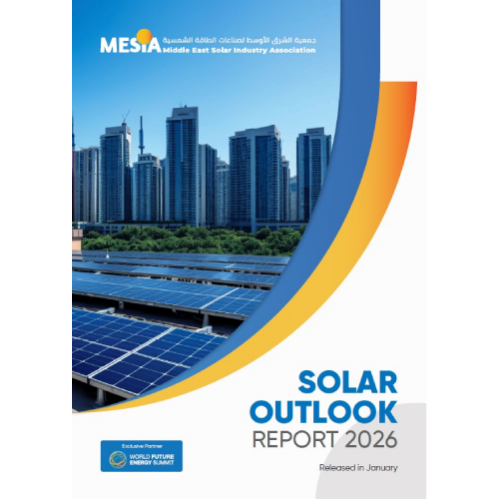
The Solar Outlook Report 2026 examines the structural transition of the MENA solar sector from rapid capacity expansion toward grid integration, system resilience, and digitalized operations. It analyzes how infrastructure readiness, energy storage, technology performance in desert conditions, and artificial intelligence are shaping the region’s ability to scale renewables reliably. The report also highlights regional market differences and policy frameworks influencing deployment through the end of the decade.