This report outlines the major trends shaping clean energy globally and across the GCC, focusing on decentralization, decarbonization, and digitalization. It examines the growth of renewables in the region, the rise of distributed energy models, and the commercial opportunities emerging across storage, digital grids, hybrid systems, and related low-carbon technologies.

This report analyzes the growing water security challenges in the Middle East and outlines key opportunities across desalination, wastewater treatment, and digital water management. It highlights climate-driven risks, infrastructure gaps, and investment priorities shaping the region’s transition toward resilient and sustainable water systems.
This report examines how the evolution of the energy sector is creating economic impact at both global and GCC levels. It analyzes the shift toward lower-carbon power generation, the role of decentralisation, decarbonisation, and digitalisation, and the socio-economic effects of renewable energy, energy efficiency, and hydrogen investments on jobs, GDP, industrial development, and long-term economic diversification.

This report reviews the main developments shaping the solar sector across the Middle East and North Africa, combining market updates, technology analysis, and country-level progress. It examines renewable investment trends, PV module innovation, distributed solar, digital energy management, green hydrogen, storage, and the outlook for leading solar markets across the region.
Green and Sustainable Synthesis of Iron Oxide-Based Nanomaterials for Energy and Environmental Applications, 2026, Pages 79-109
The scientific community worldwide has been interested in nanoscience over the past few decades due to its potential applications in the energy, pharmaceutical, agricultural, electronics, medical diagnostics, and chemical industries, as well as in space exploration. These distinctive features of iron oxide nanoparticles (IONPs) can be explored for various additional applications, including medication delivery, biosensing, reusable catalysts, antibacterial and anticancer properties, MRI agents, and medical imaging. Therefore, it is essential to fabricate IONPs with the appropriate monodispersity, structure, size, and topology for the applications. The biofabrication of IONPs with the appropriate nature and structure utilizing microbial machinery is safer, faster, and more ecologically friendly than previous approaches. Many microorganisms have previously been investigated for their ability to fabricate IONPs. As a result, manufacturing IONPs using microorganisms is a novel approach that shows great promise. This chapter offers detailed information on several methods for producing IONPs utilizing microbial cells, as well as their multifunctional applications.
Green and Sustainable Synthesis of Iron Oxide-Based Nanomaterials for Energy and Environmental Applications, 2026, Pages 283-310
The phenomenon of rapid industrialization and the subsequent rise in energy consumption have led to the exploitation of natural resources, specifically fossil fuels, for the purpose of power generation. The observed phenomenon leads to introduction a substantial quantity of carbon dioxide (CO2) as a greenhouse gas into the surrounding environment. The effects of CO2 emissions are one of today’s most pressing problems for society. In this context, there has been a lot of interest in the most recent advancement made in a comprehensive CO2 capture strategy. There are many different methods for separating and capturing CO2, including liquid absorption, adsorption on solid surfaces, chemical looping, gas phase separation, and hybrid processes like adsorption-membrane systems. Due to CO2 relatively stable dynamic state, interacting with other substances is complex. Therefore, it is necessary to create specific catalysts that can dissolve the CO2 bond and be used as a feedstock to create highly economical materials. Recently, there has been a lot of interest in using metal oxide-based processes to convert CO2 into other compounds. Metal oxides are essential to CO2 hydrogenation because they offer extra benefits like selectivity and energy efficiency. This book chapter focuses on iron oxide based materials and their utilization in the context of CO2 capture applications. Here, a curated literature review on iron oxide-based materials for CO2 capture application has been presented, and the various strategies used by scientists and industry to reestablish the equilibrium of CO2 in the environment have been analyzed.
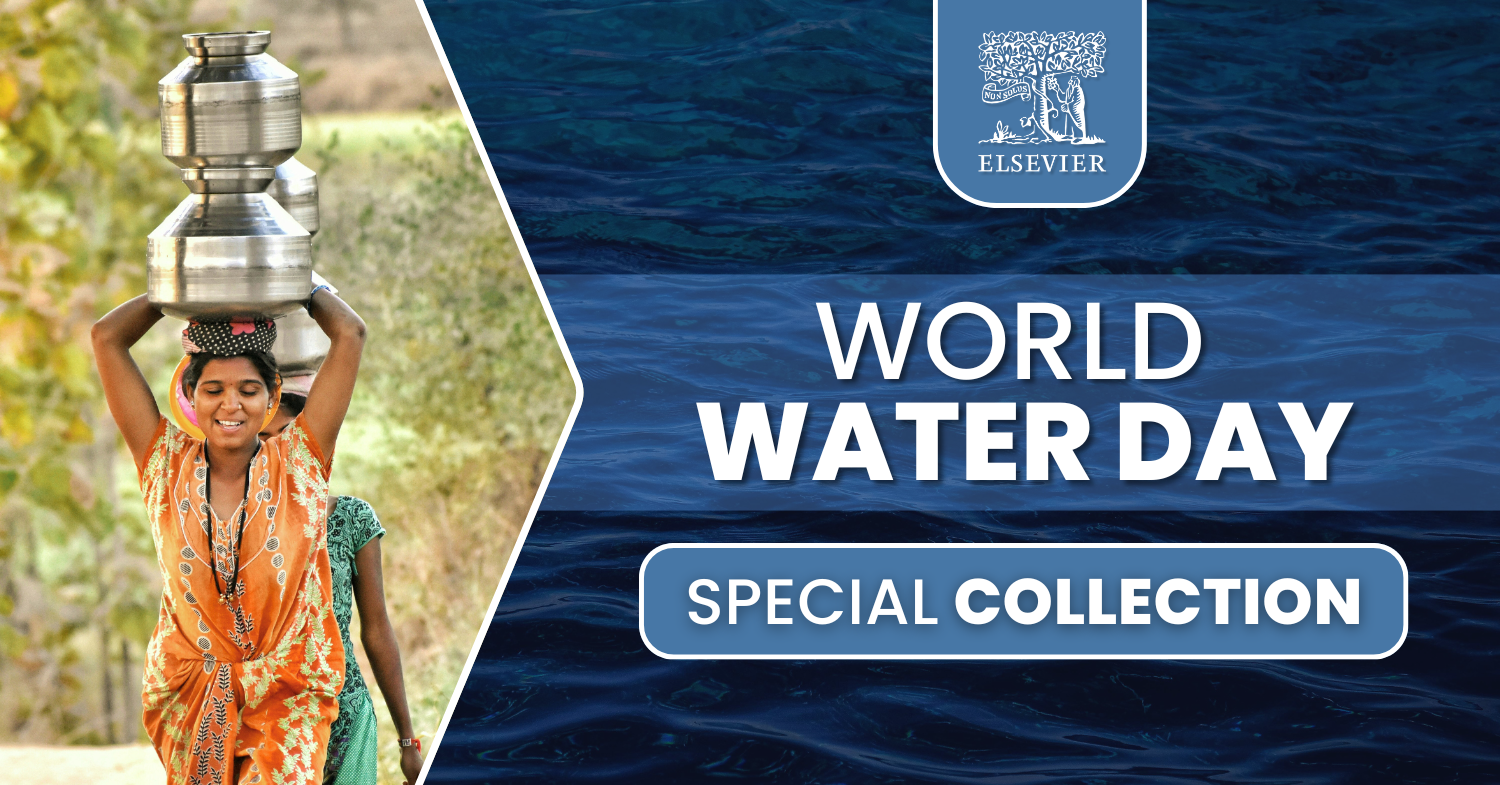
World Water Day, held on 22 March every year since 1993, is an annual United Nations Observance that celebrates water and inspires action to tackle the global water crisis. Women and girls are disproportionately affected by water-related challenges due to entrenched gender roles, inadequate infrastructure, underrepresentation, limited funding, restrictive social norms and systemic inequalities.

This report analyzes the key trends driving energy transition across the GCC, focusing on renewable energy, digital grids, energy storage, distributed systems, and efficiency. It outlines market opportunities, enabling technologies, and the structural role of energy efficiency and district cooling in achieving regional climate and energy goals.