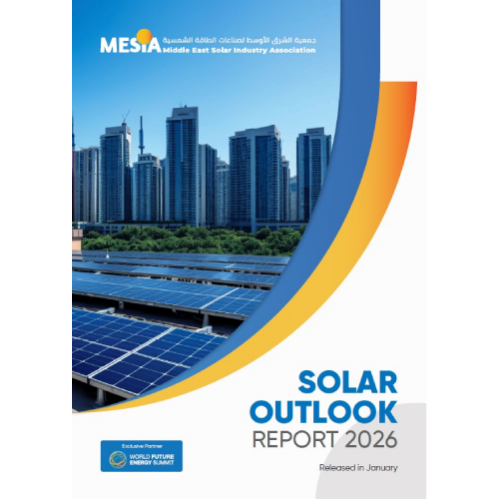
Global

The Solar Outlook Report 2026 examines the structural transition of the MENA solar sector from rapid capacity expansion toward grid integration, system resilience, and digitalized operations. It analyzes how infrastructure readiness, energy storage, technology performance in desert conditions, and artificial intelligence are shaping the region’s ability to scale renewables reliably. The report also highlights regional market differences and policy frameworks influencing deployment through the end of the decade.

Elsevier,

Digital Technologies for Sustainable Agriculture and Food Systems: Digital solutions for sustainable water management in MENA  Systems 2026, Pages 129-154.

This chapter aligns with the UN SDG goal 6 as it examines the quality of water in Middle Eastern and African countries. It also discusses technologies and barrier to adopting these technologies aligning with SDG 9 .
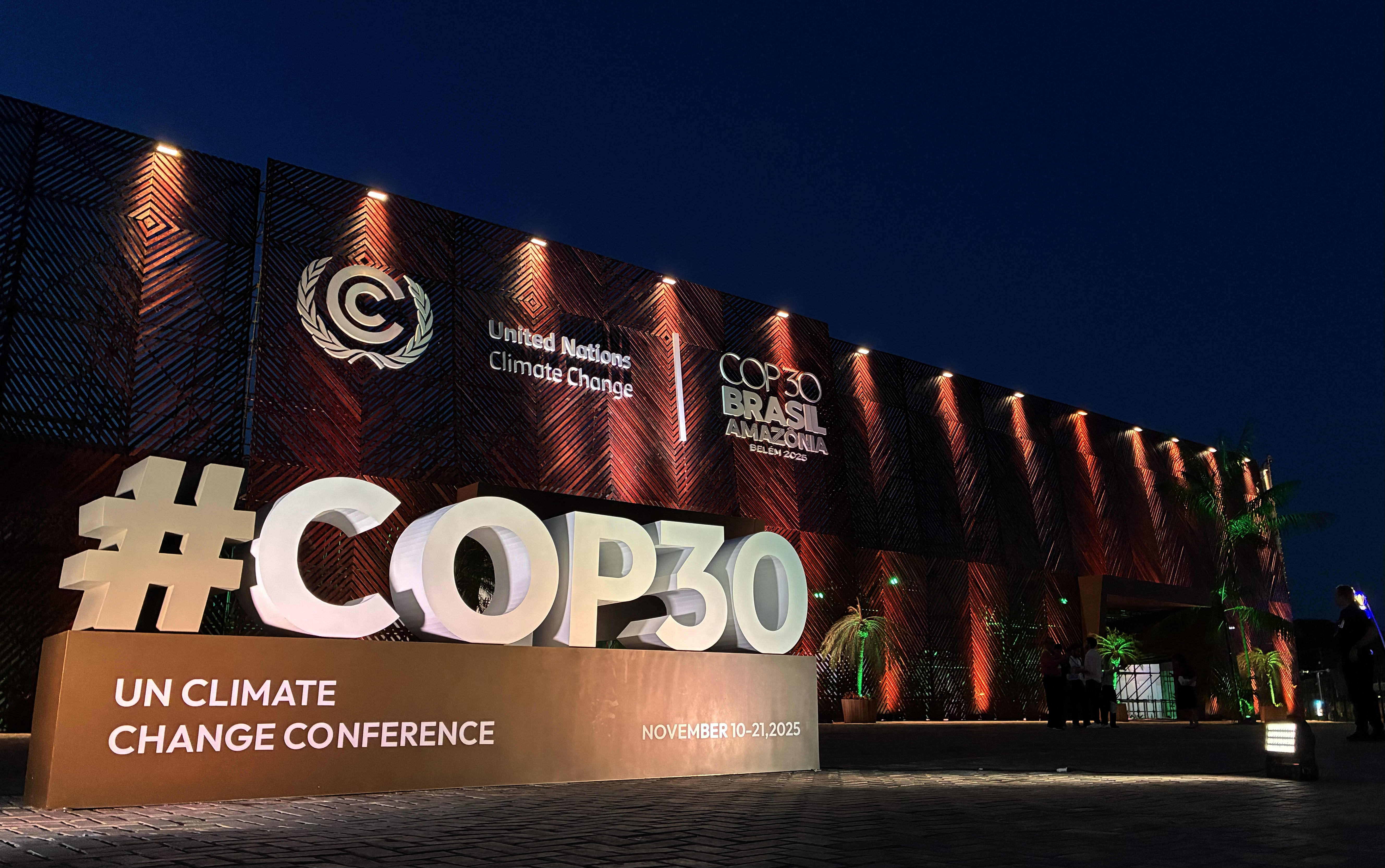
Image of a structure with th hashtag symbol and COP30 outside a building illuminated at night

The 30th Conference of the Parties (COP30) to the UN Framework Convention on Climate Change (UNFCCC) took place in Belém, Brazil, bringing together governments and stakeholders for the UN’s annual climate negotiations. This article, provided by LexisNexis UK Practical Guidance, offers a day-by-day overview of the key insights, decisions and developments from the Summit.

Image of a lady in a blue trouser suit walking past a COP30 sign

In this article, Estelle Dehon KC of Cornerstone Barristers examines seven key takeaways from COP30 and what they signal going forward.
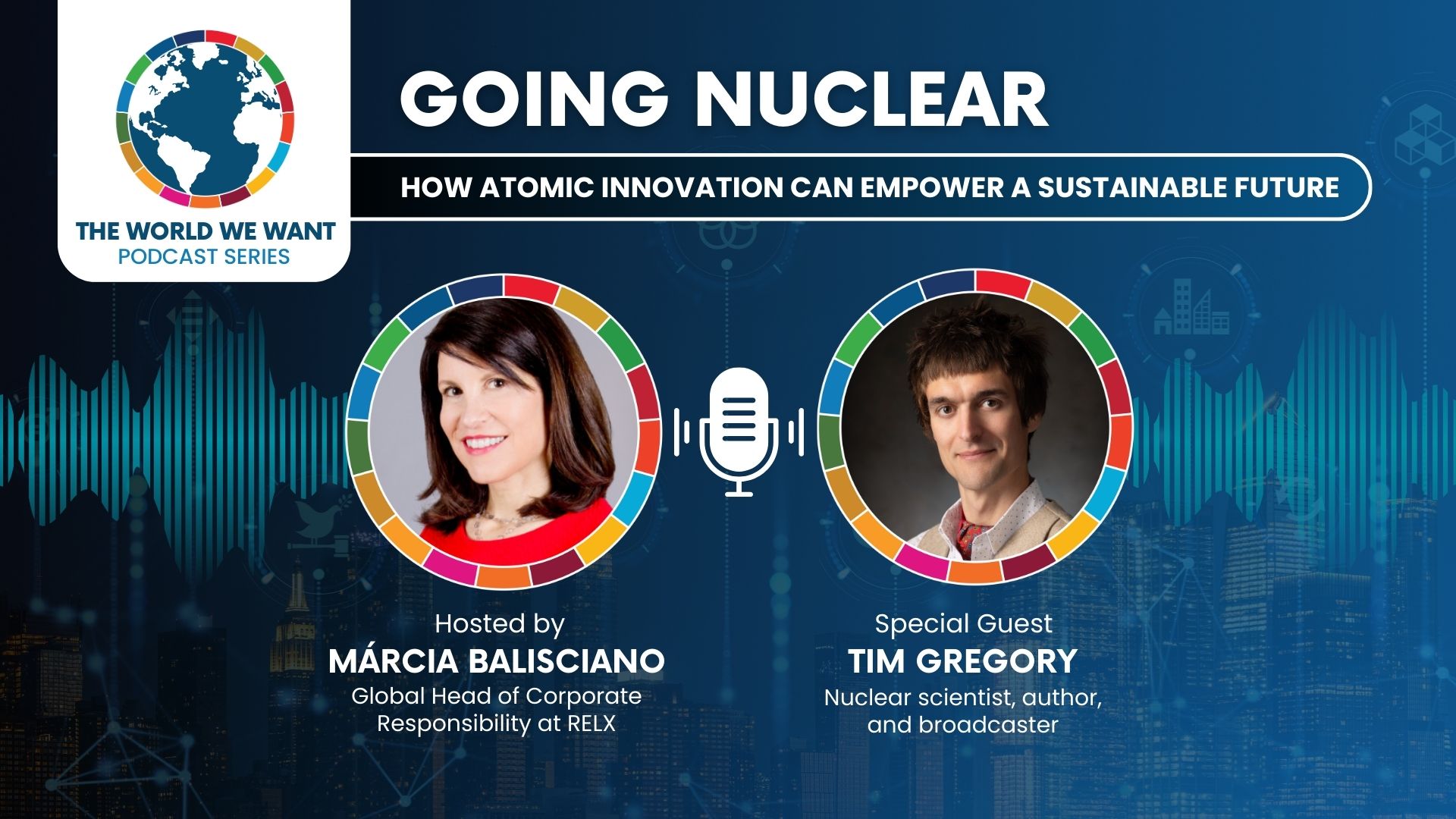
Image of podcast episode guests on a blue background with colourful SDG wheels
In this episode of the "World We Want" podcast, host Márcia Balisciano speaks with Tim Gregory, nuclear scientist, author, and broadcaster. They explore how nuclear innovation can support a cleaner, more resilient world, addressing misconceptions, highlighting breakthroughs from Tim’s new book, and examining how atomic technologies can accelerate progress toward the United Nations Sustainable Development Goals.
Elsevier,

Future Smart Cities: A Blueprint for Inclusive and Sustainable Living, Volume , 1 January 2026

Waste-to-Energy (WTE) is a potential sustainable renewable energy source for Libya's Municipal Solid Waste (MSW) management. The current waste management approach involves collecting and dumping waste in landfills. According to a research study, Libya is exploring the use of Waste Treatment Empowerment as a source of renewable energy to meet its electricity demand and offer an alternative to landfill-based waste management. The purpose of this study is to evaluate Benghazi City's WTE facility's ability to satisfy the city's power needs and offer an alternative to landfill-based waste management. Mass-burn incineration was used to create a situation for WTE use, revealing that Benghazi could produce about 20 MW of electricity through a WTE facility by 2030 using the incineration scenario.
Energy security is closely related to national security, particularly in the realm of energy production and consumption as well as energy transformation capacity (e.g., refinement and storage capabilities). Similarly, environmental and climate and health security have been identified as key drivers of national security and associated national resilience indicators. We explore these dynamics with a focus on the Indo-Pacific region and present potential methods of reconciling competing priorities to ensure regional stability and security.
Elsevier,

Future Smart Cities: A Blueprint for Inclusive and Sustainable Living, Volume , 1 January 2026

A key component of smart city frameworks, efficient waste management is necessary for sustainable urban development. Innovative approaches that combine waste management, the use of renewable energy, and increased energy efficiency are needed to address pressing concerns including resource optimization and environmental sustainability. A thorough approach makes it possible to synthesize interdisciplinary knowledge to address the intricate problems that smart cities face. Fair resource allocation, cutting-edge energy conversion technologies, the adoption of the circular economy, the integration of renewable energy systems, and larger societal issues must all be given top priority in research. Waste-to-energy (WTE) technologies offer a practical way to manage waste in cities and produce energy simultaneously. Utilizing renewable energy is also essential for lowering emissions of pollutants and promoting environmental progress. An overview of smart city concepts is given in this chapter, with particular attention paid to the significance of waste management, the potential of WTE systems, applications of renewable energy, digital advances for waste handling, governance structures, and the main obstacles related to urban waste management.
Elsevier,

The Lancet Obstetrics, Gynaecology, & Women's Health, Available online 16 January 2026

Findings from this SRMA provide clinical evidence against a clinically significant increase in the risk of autism spectrum disorder, ADHD, or intellectual disability among children born to pregnant individuals who use paracetamol as directed, thereby supporting existing safety recommendations.
Future Energy Insghts Podcast logo

Bringing together industry leaders, innovators and global thinkers, Future Energy Insights by the World Future Energy Summit takes an in-depth look at renewable energy and sustainability. Featuring lively debate and passionate discussion, the series covers six core topics: clean energy, water scarcity, smart cities, circular economies, waste management and climate change. It shines a spotlight on the critical issues and major gamechangers shaping the sector today.

Pages