This article describes the key challenges and opportunities in modeling and optimization of biomass-to-bioenergy supply chains. It reviews the major energy pathways from terrestrial and aquatic biomass to bioenergy/biofuel products as well as power and heat with an emphasis on "drop-in" liquid hydrocarbon fuels. Key components of the bioenergy supply chains are then presented, along with a comprehensive overview and classification of the existing contributions on biofuel/bioenergy supply chain optimization.
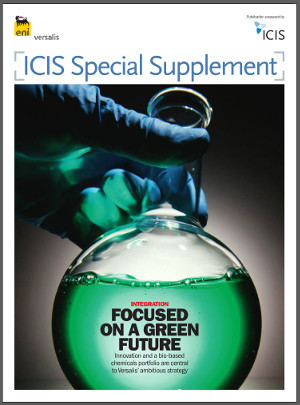
Italy's leading petrochemical producer, Versalis has taken a fundamental shift in its strategy and direction, to renew its focus on innovation and green chemistry, providing opportunities for growth. This is the ICIS/Versalis supplement about green and bio-based chemicals and sustainabliity with videos embedded. Green chemistry fits in with SDG 9 Industry Innovation and SDG 7 Affordable Clean Energy.
Vaccine "hesitancy" is an emerging term in the literature and discourse on vaccine decision-making and determinants of vaccine acceptance.
This paper defines the concept of 4th Generation District Heating (4GDH) including the relations to District Cooling and the concepts of smart energy and smart thermal grids. The motive is to identify the future challenges of reaching a future renewable non-fossil heat supply as part of the implementation of overall sustainable energy systems.
Elsevier,
Improving Library Services to People with Disabilities, Chandos Information Professional Series, 2007, Pages 65-86
To maximize potential, people must have lifelong access to the information and services offered through books and libraries. Whether to address concerns of an ageing population or to enable all citizens to contribute fully through meaningful education and work opportunities, more emphasis is being given to promoting library services to people who have disabilities. This content addresses SDGs 4 and 10 by focusing on serving adults with disabilities in an international setting allowing librarians, policy makers and constituents to understand the importance of serving all potential patrons.
This chapter advances SDG 6 by explaining proactive management of drinking-water safety and quality.
This chapter advances SDG 6 by reviewing the evidence on health and nonhealth benefits of water and sanitation investments that are common in developing countries. It further explores evidence on valuation for these interventions and discusses the implications of the evidence on valuation for government policy to support improvements in this sector.
This chapter advances SDG 6 by explaining water pollution from an environmental, health and ecosystem perspective.
SDG 3 (good health and well-being), SDG 10 (reduced inequalities) and SDG 16 (peace, justice and strong institutions) are all directly relevant to this research. This report investigates the health consequences of rising anti-gay laws and homophobia in seemingly liberal nations.
Energy is central to the survival and prosperity of human society, which explains the social sciences' interest in energy production, consumption and distribution. The emergence of the global environmental agenda in the second half of the 20th century gave rise to a distinctive research literature on how energy systems and global environmental protection are interconnected. The threat of disruptive climate change, in particular, has thrown the spotlight on the central role that energy plays in shaping the future relationship between human society and its natural environment.