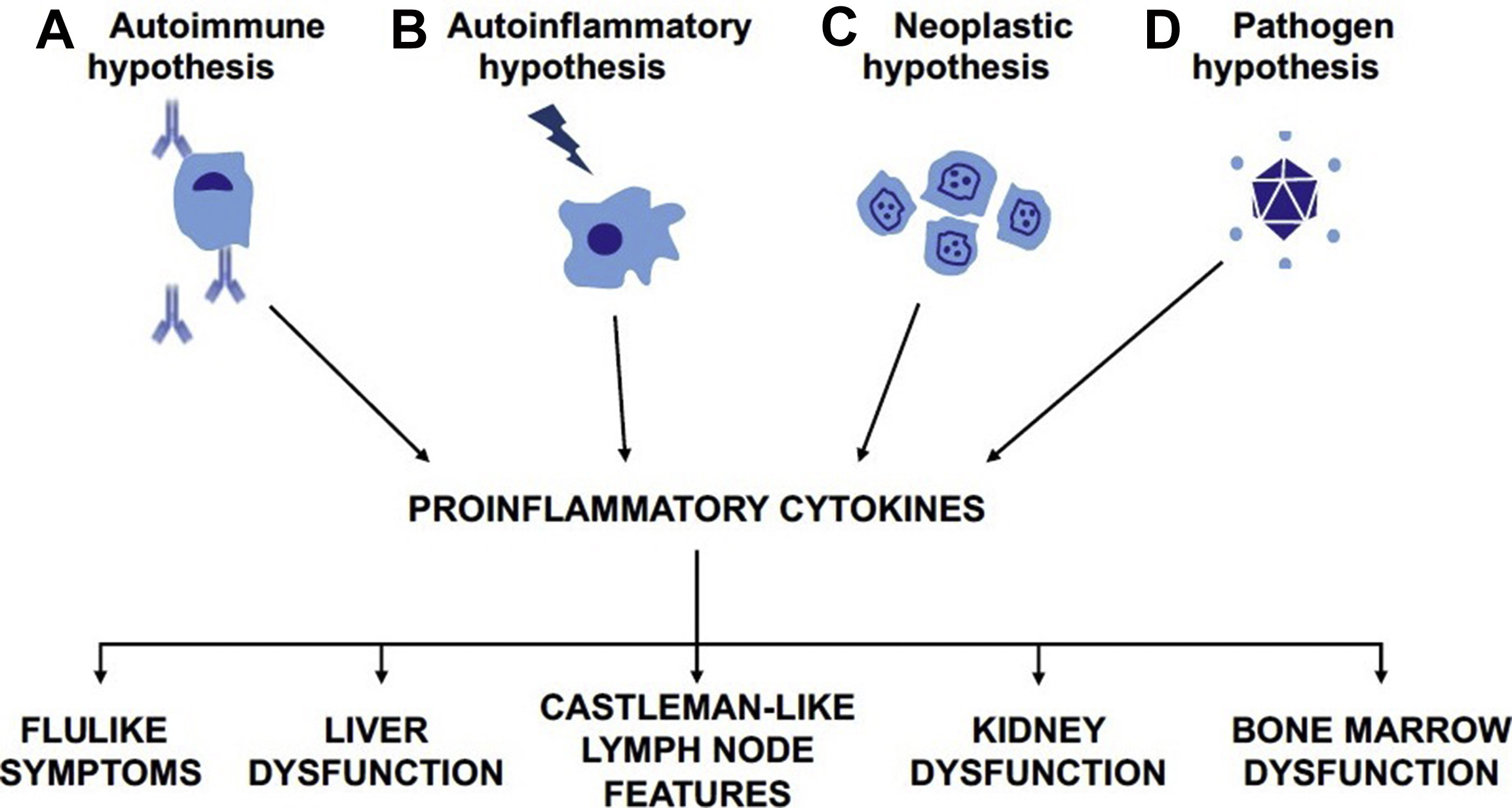
This article ties to SDG 3. This clinical review article, published in Hematology/Oncology Clinics, presents current understanding of the pathogenesis for each subtype of CD as of 2017. Although understanding of CD has slowly improved over the last 6 decades, leading to improved patient survival and quality of life, additional research is needed. The authors anticipate significant progress to be made in the coming years through research studies led by the CDCN, including the ACCELERATE (Advancing Castleman Care with an Electronic Longitudinal registry, E-Repository, And Treatment/Effectiveness research) Natural History Registry (www.CDCN.org/ACCELERATE), which is open for patient self-enrollment.
The consumer and legislative demand to reduce plastic packaging supports goal 12 (responsible consumption and production). This report looks at the increasing demand for plastic packaging in-light of recent European legislation to reduce it.
Elsevier,
Hematology/Oncology Clinics of North America, Volume 32, Issue 1, February 2018, Pages 11-21
This content links with Goal 3: Good health and well-being and Goal 10: Reduced Inequalities by providing a summary of current understanding of the cause, cell types, signaling pathways, and effector cytokines implicated in pathogenesis.

At the World Economic Forum in Davos on Thursday 24 January, Theresa May called on shareholders to put pressure on the companies they invest in to improve their "social impact" supporting goal 10 (reduced inequalities) and goal 16 (peace, justice and strong institutions).
Elsevier, Smart Wheelchairs and Brain-computer Interfaces: Mobile Assistive Technologies, Volume , 1 January 2018
Smart Wheelchairs and Brain-Computer Interfaces: Mobile Assistive Technologies combines the fields of neuroscience, rehabilitation and robotics via contributions from experts in their field to help readers develop new mobile assistive technologies. It provides information on robotics, control algorithm design for mobile robotics systems, ultrasonic and laser sensors for measurement and trajectory planning, and is ideal for researchers in BCI.
Electronic Assistive Technology (EAT) is a subset of a wider range of products and services known as Assistive Technology (AT). AT is designed to support and enable people with disabilities, either acquired or congenital, to participate in activities with greater independence and safety. With a global aging population, it has an important role to play in enabling and supporting those with disability and their carers. Handbook of Electronic Assistive Technology discusses a range of commonly available or emerging electronic assistive technologies.
The SDGs are all connected. Success in one goal often relies on success in another. The science supporting the SDGs needs to reflect these connections, which is what the Perspectives Project aims to achieve: enabling collaboration between experts from all over the world. The project addresses a core question: how is the SDG agenda influencing scholarly debates in different research areas, and vice-versa? The reviews will cover the breadth of the SDGs and will be published as part of three special issues in three key journals.

Highlighting the data behind stillbirths to bring about change, this article and video supports SDG 3. 2.6 million babies worldwide are stillborn each year. The majority of these are preventable. The Lancet partnered with the London School of Hygiene & Tropical Medicine to find solutions to end this silent scandal.
This book chapter advances SDGs 14 and 15 by discussing salt marsh restoration and rehabilitation projects that have been initiated at many locations around the world as a means of addressing past habitat loss as well as future threats.
Elsevier,
World Seas: An Environmental Evaluation Volume II: The Indian Ocean to the Pacific, Volume , 1 January 2018
This book chapter advances SDGs 14 and 15 by looking at Fiji, which is one of the most developed of the Pacific Island economies with a population highly dependent on the country’s rich biodiversity and natural resources for food, agriculture, tourism, culture, coastal protection, shelter, recreational sports, and other vital human needs. Sustainable use and practical management of coastal resources are urged while there is still a chance of ecosystem repair and restoration.