This chapter aligns with SDG 3 – Good Health and Well‑Being and SDG 5 – Gender Equality by examining how sex and gender shape public‑health issues such as intimate partner violence, access to healthcare, and infectious‑disease prevention, thereby supporting more equitable, informed, and effective care for diverse populations.

Short summary: This report examines how the global energy transition entering 2026 is being reshaped by artificial intelligence, decentralised infrastructure, and resource resilience. It outlines how intelligence-driven systems, water security innovation, and cost-focused clean technologies are redefining energy generation, distribution, and industrial transformation.
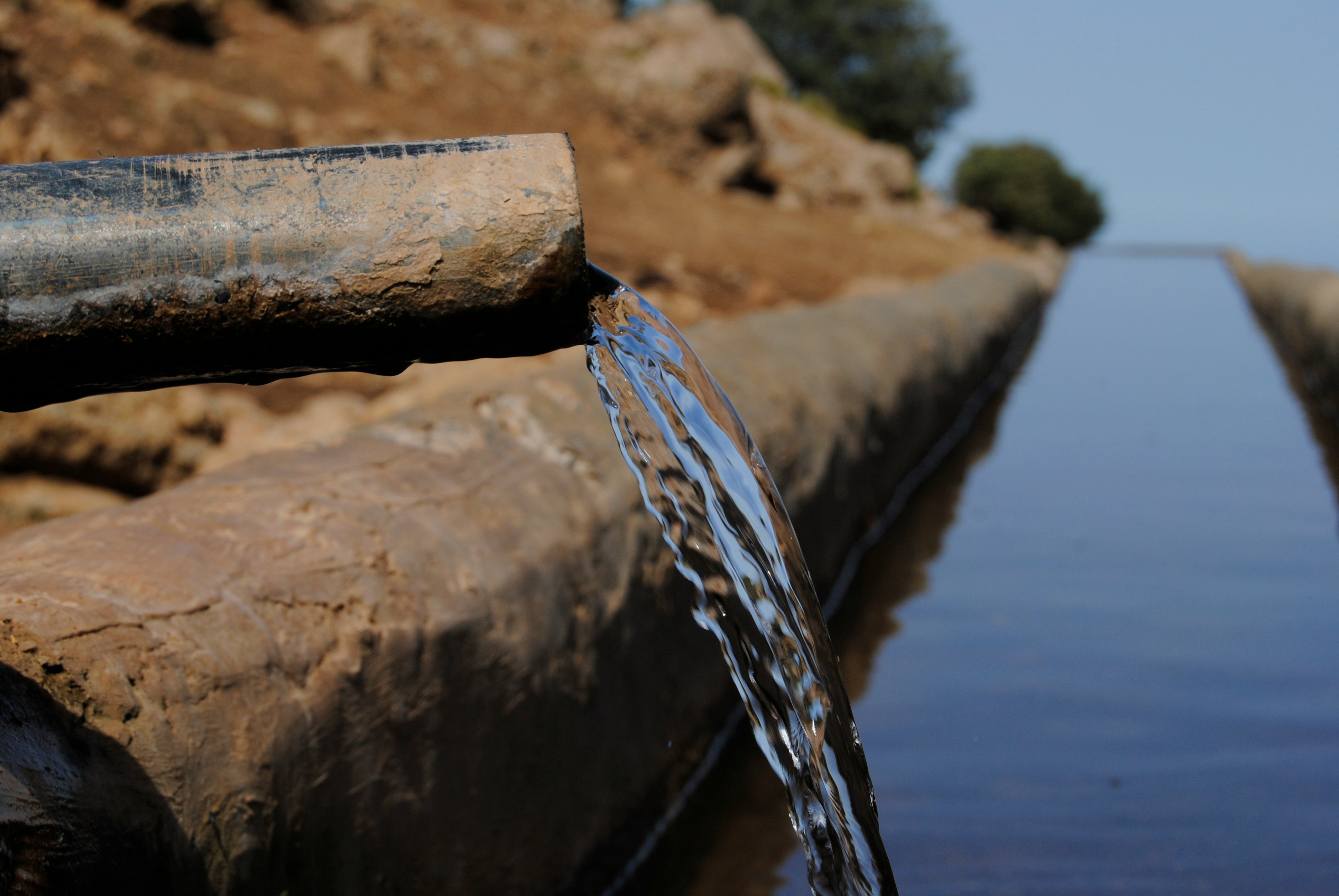
The RELX Environmental Challenge celebrates 15 years of supporting clean water and sanitation innovation, marking this significant milestone with an increase in the prize fund and the introduction of a new ocean category.

In this round up of 2025, we share the Special Collections published throughout the year to mark key UN observation days and events.
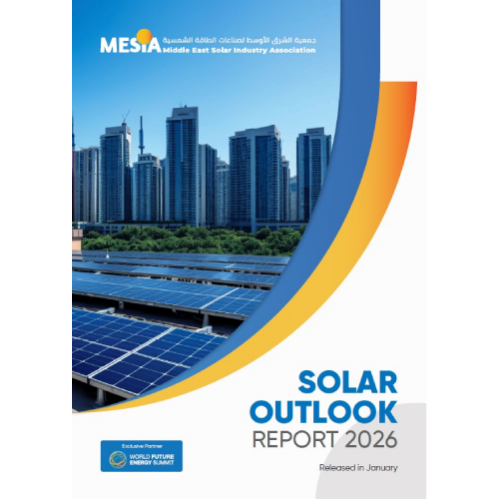
The Solar Outlook Report 2026 examines the structural transition of the MENA solar sector from rapid capacity expansion toward grid integration, system resilience, and digitalized operations. It analyzes how infrastructure readiness, energy storage, technology performance in desert conditions, and artificial intelligence are shaping the region’s ability to scale renewables reliably. The report also highlights regional market differences and policy frameworks influencing deployment through the end of the decade.
Digital Technologies for Sustainable Agriculture and Food Systems: Digital solutions for sustainable water management in MENA Systems 2026, Pages 129-154.
This chapter aligns with the UN SDG goal 6 as it examines the quality of water in Middle Eastern and African countries. It also discusses technologies and barrier to adopting these technologies aligning with SDG 9 .

In this article, Estelle Dehon KC of Cornerstone Barristers examines seven key takeaways from COP30 and what they signal going forward.
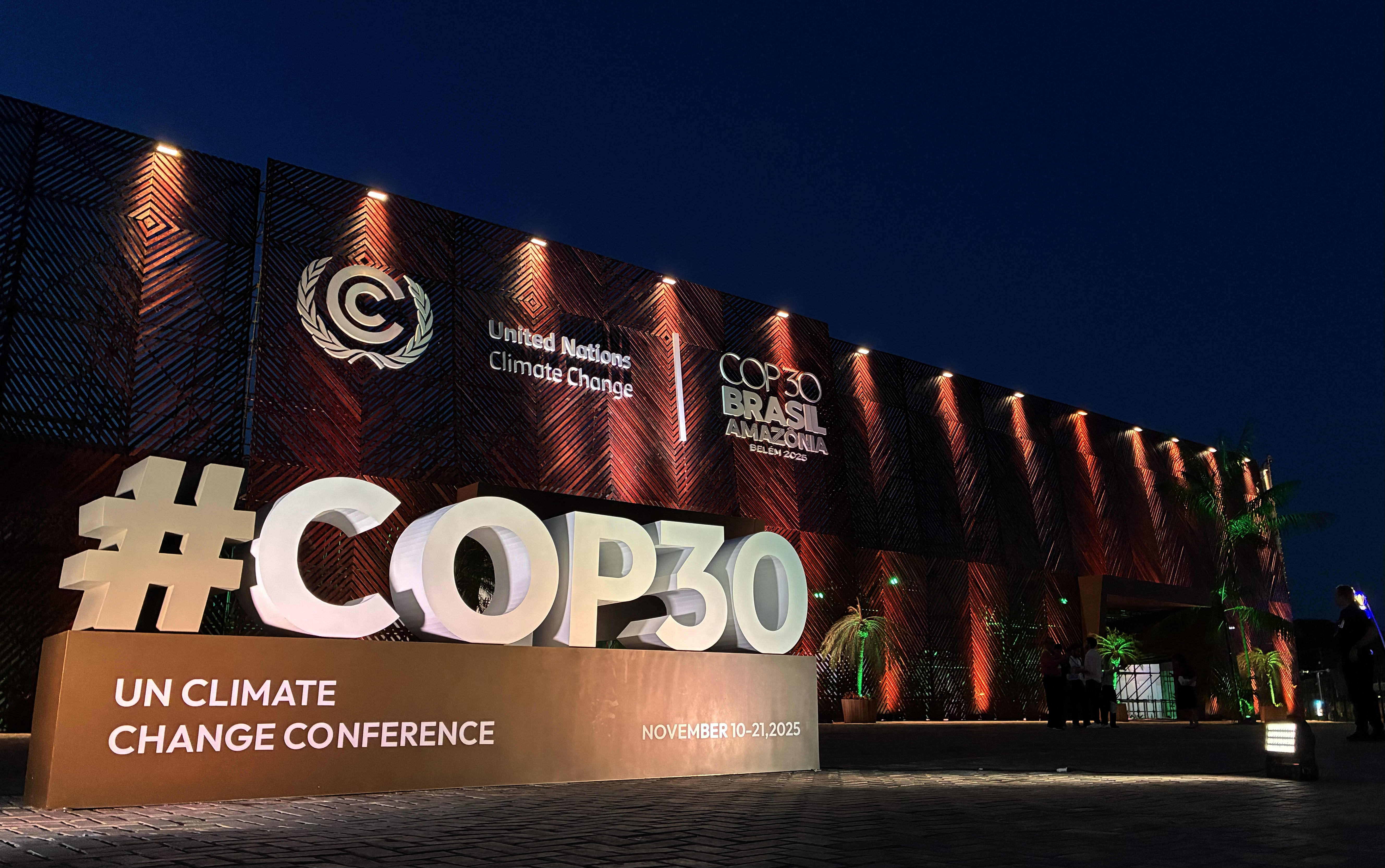
The 30th Conference of the Parties (COP30) to the UN Framework Convention on Climate Change (UNFCCC) took place in Belém, Brazil, bringing together governments and stakeholders for the UN’s annual climate negotiations. This article, provided by LexisNexis UK Practical Guidance, offers a day-by-day overview of the key insights, decisions and developments from the Summit.
Future Smart Cities: A Blueprint for Inclusive and Sustainable Living, Volume , 1 January 2026