Elsevier,
The Lancet Regional Health - Western Pacific, Volume 35, June 2023
First Nations children and adolescents in Australia experience one of the highest reported rates of treatable skin infections in the world, authors of this study gathers information from relevant communities through culturally appropriate, semi-structured interviews, or ‘yarning sessions’. This approach has allowed the authors to centre First Nations voices, identifying strengths and gaps in available resources, services and education to reduce these infections.
Elsevier,
Australian and New Zealand Journal of Public Health, Volume 47, June 2023
This article highlights that although Indigenous research governance is recognised as an essential part of ethical Aboriginal and Torres Strait Islander research, activities and contributions made by Indigenous reference group (IRG) members are underreported.
Elsevier,
The Lancet Global Health, Volume 11, June 2023
This Article supports SDG 3 by presenting a conceptual framework and a method to estimate cost-effectiveness thresholds for 174 countries, using public and widely available data on country-specific health expenditures and health outcomes; these findings can inform policy makers on the thresholds to consider when deciding on the allocation of health resources.
Elsevier,
Hygiene and Environmental Health Advances, Volume 6, June 2023
This systematic literature review on on-site sanitation fecal sludge management practices directly informs Sustainable Development Goal 6 (SDG 6) by identifying best practices for safe sanitation, reducing pollution, and protecting water resources.
Elsevier,
Polar Science, Volume 36, June 2023
This research article highlights the importance of the Greenland ice sheet's melting status for global sea level rise and climate change, noting that while inland areas remain stable, marginal areas, particularly on the west coast, are melting significantly at a rate of about 13.27 cm per year, underscoring the urgent need to address the impacts of climate change.
Elsevier,
Lancet Regional Health - Americas, Volume 22, June 2023
This Article supports SDG 3 by showing that an HCV testing (point-of-care) and treatment programme implemented in users of a supervised drug cosumption service in Canada was beneficial, with a large degree of positive testing, testing acceptance, and treatment engagement. The study suggests that on-site point of care testing and treatment for HCV in supervised consumption services is effective in reaching this population
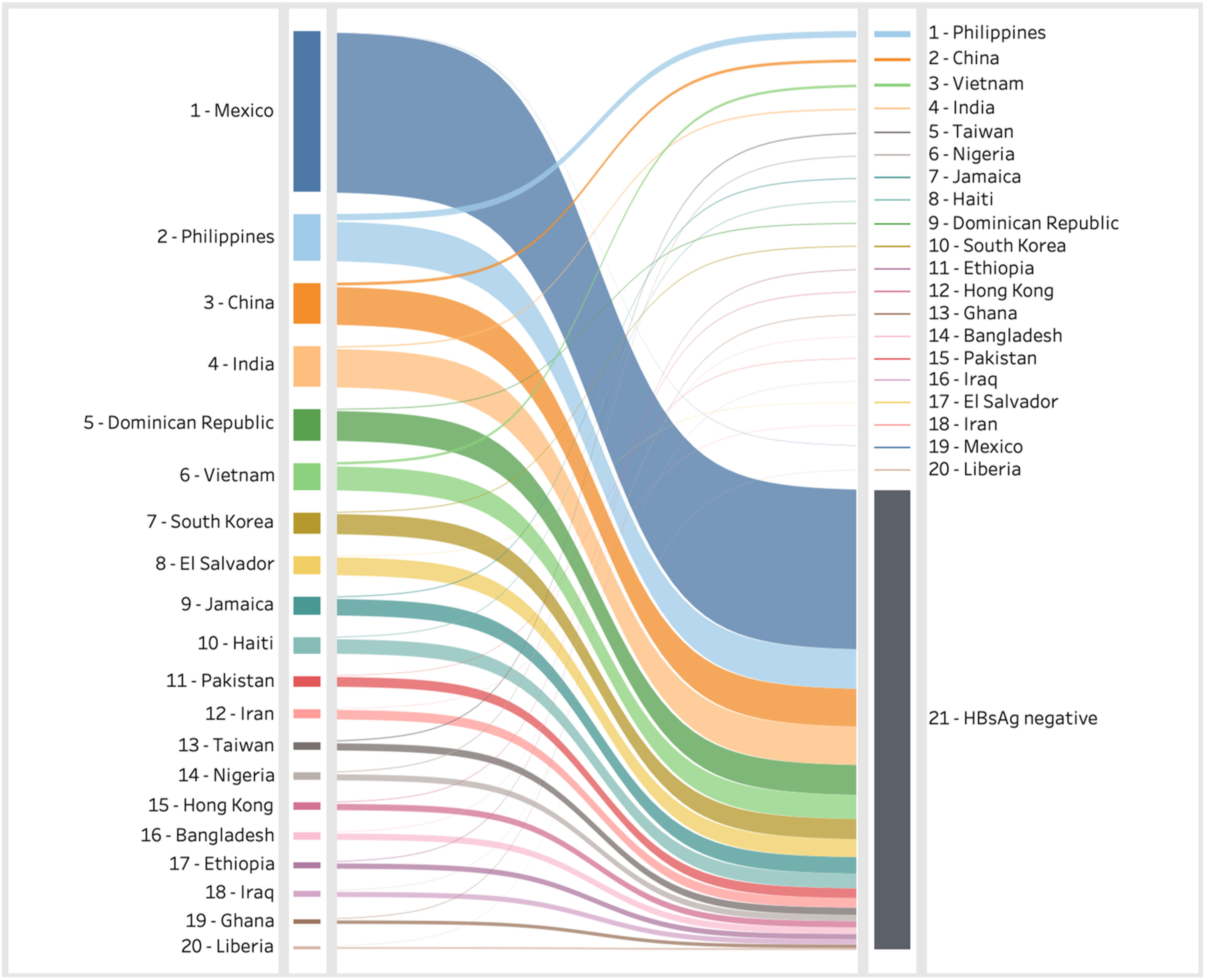
Lancet Regional Health - Americas, Volume 22, June 2023
This Article supports SDG 3 by using modelling to estimate the impact of immigration on hepatitis B prevalence in the USA, in order to more accurately assess the hepatitis B burden, which might not be accurately measured by national serosurveys. The study found a significantly higher burden of hepatitis B (1.8 million cases), significantly higher than that found in national serosurveys.