Elsevier,
iScience, Volume 26, 18 August 2023
This study links multiple models for a comprehensive assessment of the economic-environmental-health co-benefits of renewable energy development in China. The results show that developing renewable energy can avoid 0.6 million premature mortalities, 151 million morbidities, and 111 million work-loss days in 2050.
Elsevier,
American Journal of Obstetrics and Gynecology MFM, Volume 5, August 2023
This research illustrates that an advanced oral hygiene regimen has the potential to reduce the incidence of preterm birth in socially disadvantaged obstetrical patients with higher rates of health disparities.

Elsevier,
Cell Reports Physical Science, Volume 4, 16 August 2023
The demand for solar energy as a clean way to power human lives is increasing, but solar panels are land-intensive and may compete for space with farms. In this article, the authors examine how agrivoltaics (combining farming and solar technologies) can provide synergistic benefits together rather than in isolation, showing positive benefits in climate mitigation, climate resilience, and land equivalent ratios. This contributes to SDGs 2 (ensuring the promotion of sustainable agriculture), 7 (harnessing sunlight to power society), and 13 (agrivoltaics as a way to combat climate change).
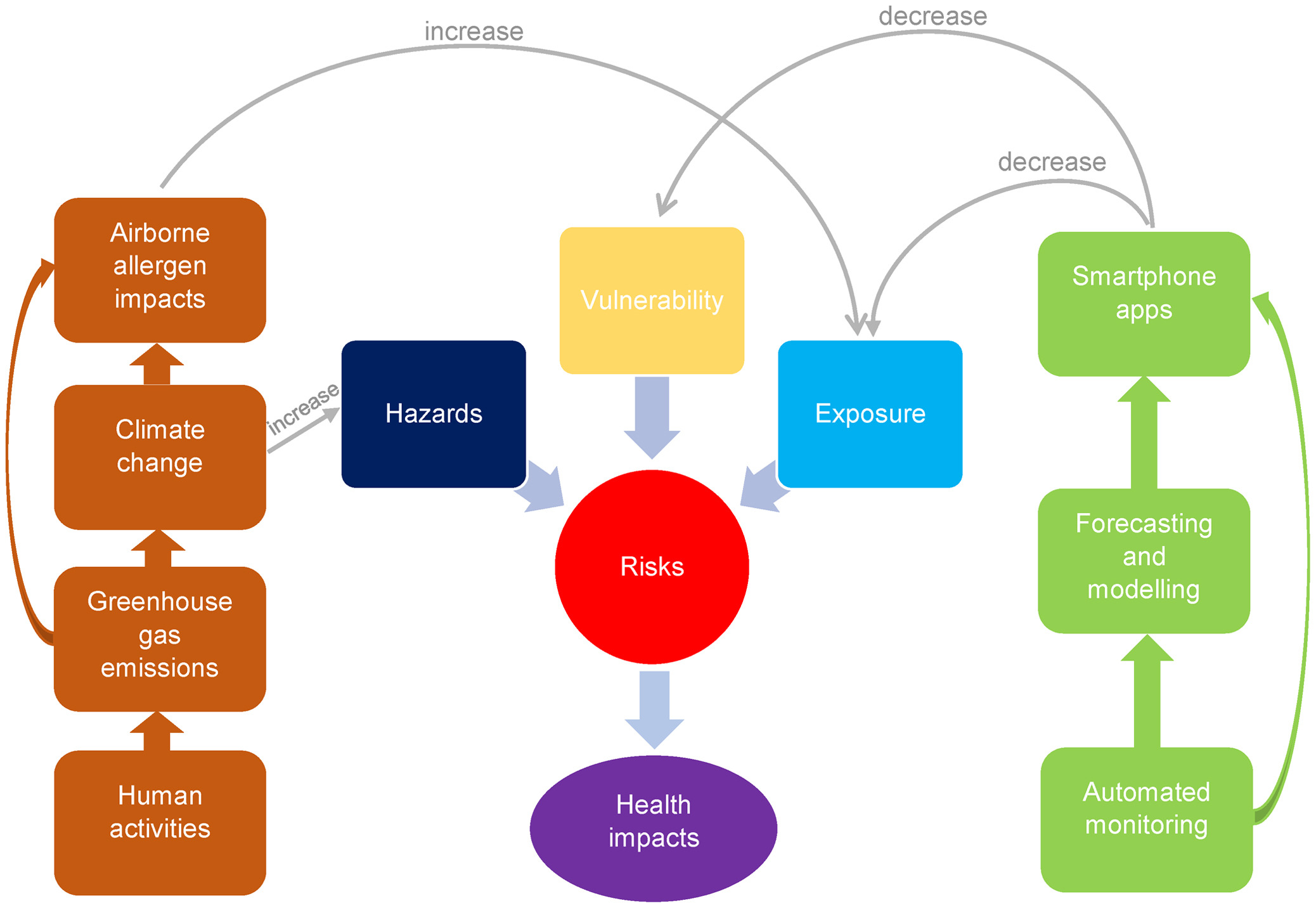
One of the important adverse impacts of climate change on human health is increases in allergic respiratory diseases such as allergic rhinitis and asthma. This impact is via the effects of increases in atmospheric carbon dioxide concentration and air temperature on sources of airborne allergens such as pollen and fungal spores. This review describes these effects and then explores three translational mitigation approaches that may lead to improved health outcomes, with recent examples and developments highlighted.