Elsevier,
The Lancet, Volume 397, 8 May 2021
This Article supports SDGs 3 and 10 by showing that some minority ethnic populations in England have excess risks of testing positive for SARS-CoV-2 and of adverse COVID-19 outcomes compared with the White population, even after accounting for differences in sociodemographic, clinical, and household characteristics.
Elsevier,
Annals of Tourism Research, Volume 89, July 2021, 103223
This article explores and advances understanding of cultural sensitivity in relation to Arctic tourism where local and Indigenous livelihoods and environments are tethered to dynamics of recent tourism growth and decline, climate change, and colonial power relations.
Elsevier,
iScience, Volume 24, 21 May 2021
This research underscores the importance of understanding past environmental changes and tectonic activities in the Everest region to better assess future earthquake hazards, manage glacial risks effectively, and monitor the availability of water resources for downstream populations.
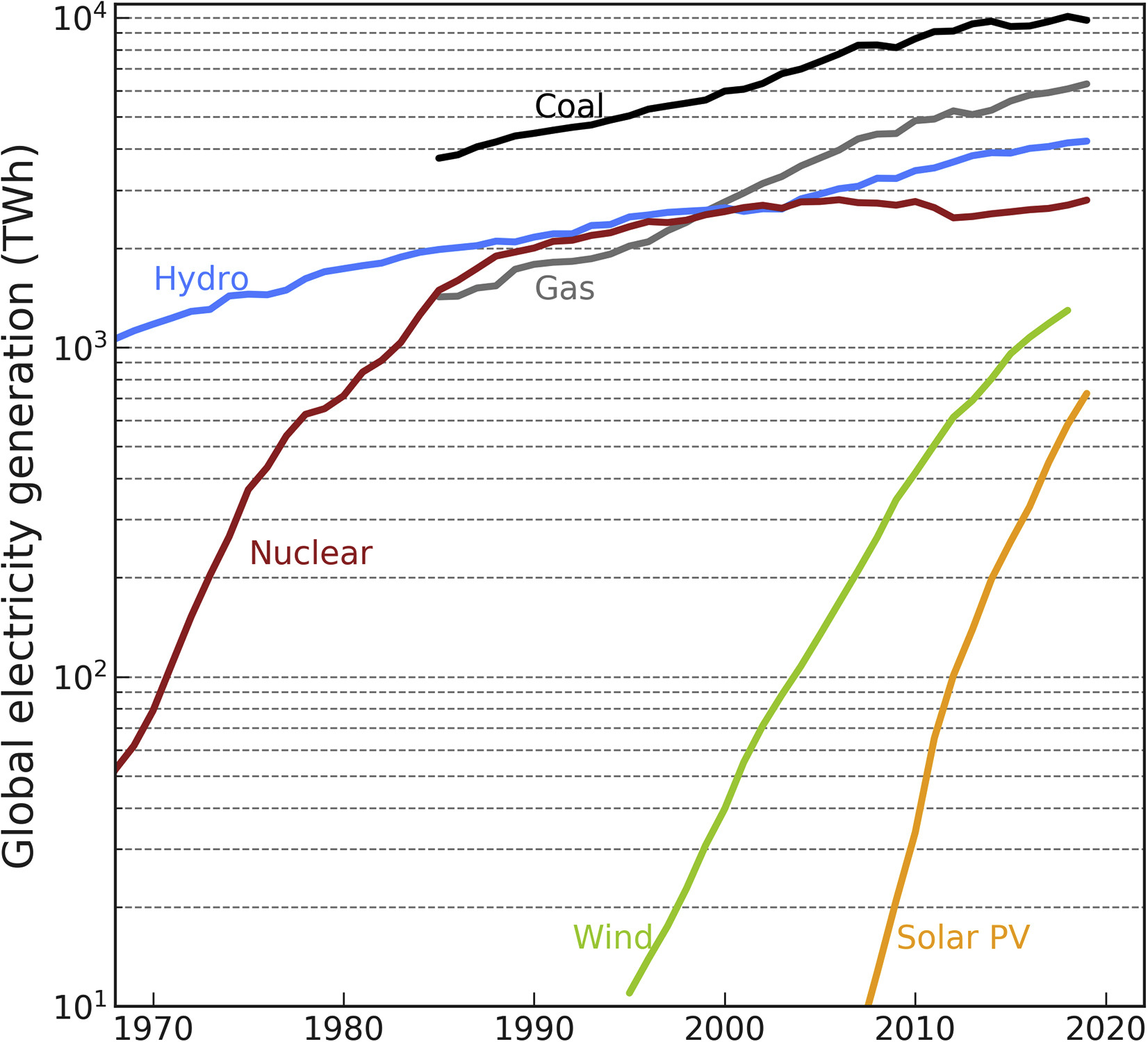
Thanks to fast learning and sustained growth, solar photovoltaics (PV) is today a highly cost-competitive technology, ready to contribute substantially to CO2 emissions mitigation. However, many scenarios assessing global decarbonization pathways, either based on integrated assessment models or partial-equilibrium models, fail to identify the key role that this technology could play, including far lower future PV capacity than that projected by the PV community.
Elsevier, Developments in the Built Environment, Volume 6, May 2021
Urban regions in sub-Saharan Africa are growing significantly more rapid than their also growing rural counterparts. However, the employment perspectives in rural areas are decreasing, and thus the urban growth can become a driver for enhanced livelihoods in the rural areas.
Elsevier, The Lancet Public Health, Volume 6, May 2021
Background: Community-based active case-finding interventions might identify and treat more people with tuberculosis disease than standard case detection. We aimed to assess whether active case-finding interventions can affect tuberculosis epidemiology in the wider community.
Elsevier, Public Health, Volume 194, May 2021
Objectives: In the face of the SARS-CoV-2 pandemic, people with dementia and their carers are contending with serious challenges to their health and wellbeing, due to risk of severe illness, limiting of social contact and disruption to usual activities. Many forms of support for people with dementia and their carers, including singing groups, have moved online using videoconferencing. Previous research has demonstrated the benefits of group singing, which include cognitive stimulation, meaningful activity and peer support.
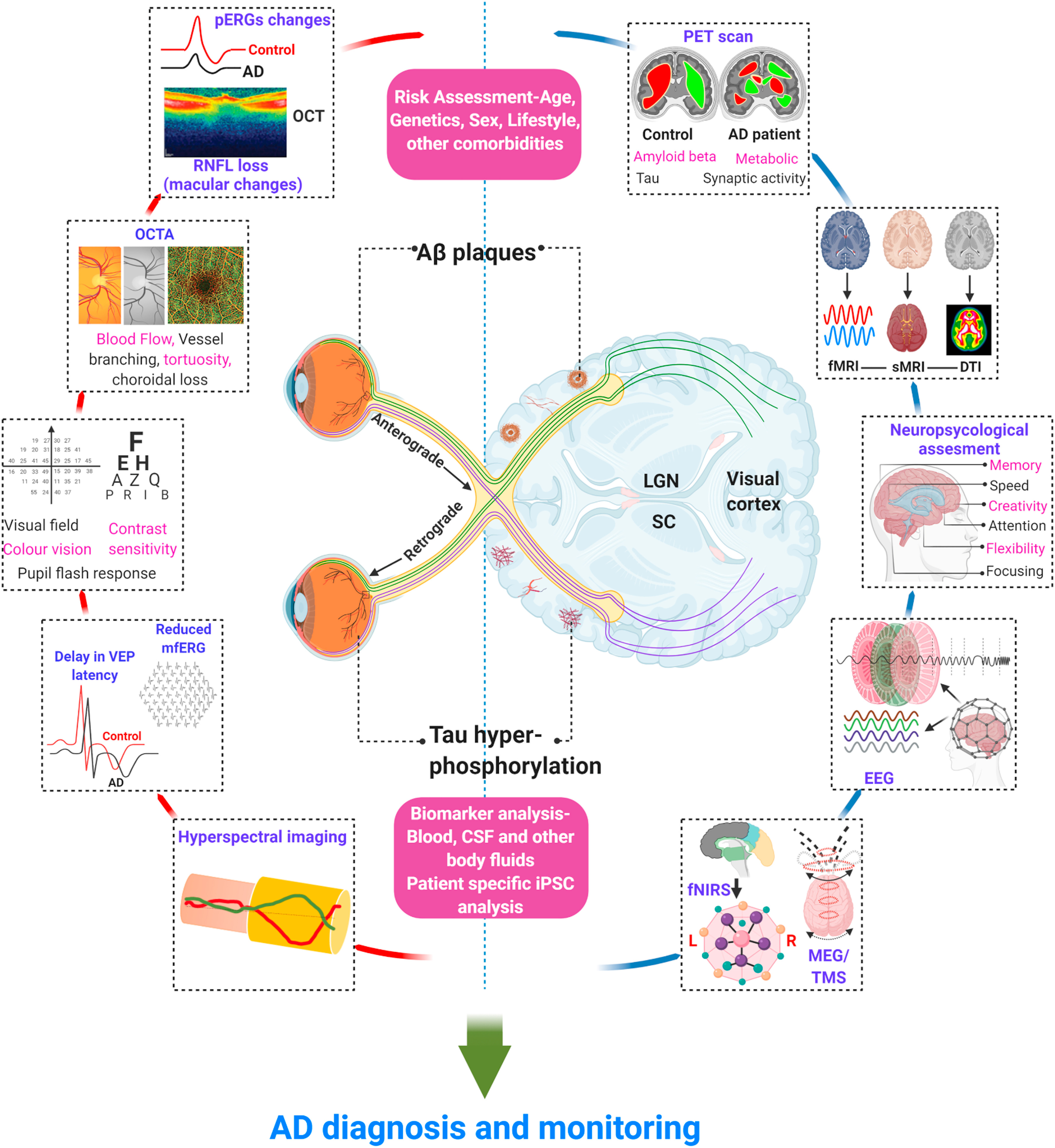
Alzheimer's Disease (AD) is a devastating neurodegenerative disorder of the brain, clinically characterised by cognitive deficits that gradually worsen over time. There is, at present, no established cure, or disease-modifying treatments for AD. As life expectancy increases globally, the number of individuals suffering from the disease is projected to increase substantially. Cumulative evidence indicates that AD neuropathological process is initiated several years, if not decades, before clinical signs are evident in patients, and diagnosis made.